Best Dog Dryers for Labradoodles: A Dense-Coat Buying Guide
Choose a Labradoodle dryer by airflow, noise, controls, hose handling, and coat density—and learn how to dry without excess heat.
The direct answer
For a dense fleece or wool Labradoodle, choose a canine high-velocity dryer with variable airflow, a flexible hose, secure nozzles, and a noise level your dog can learn to tolerate. Airflow should do the drying; high heat should not.
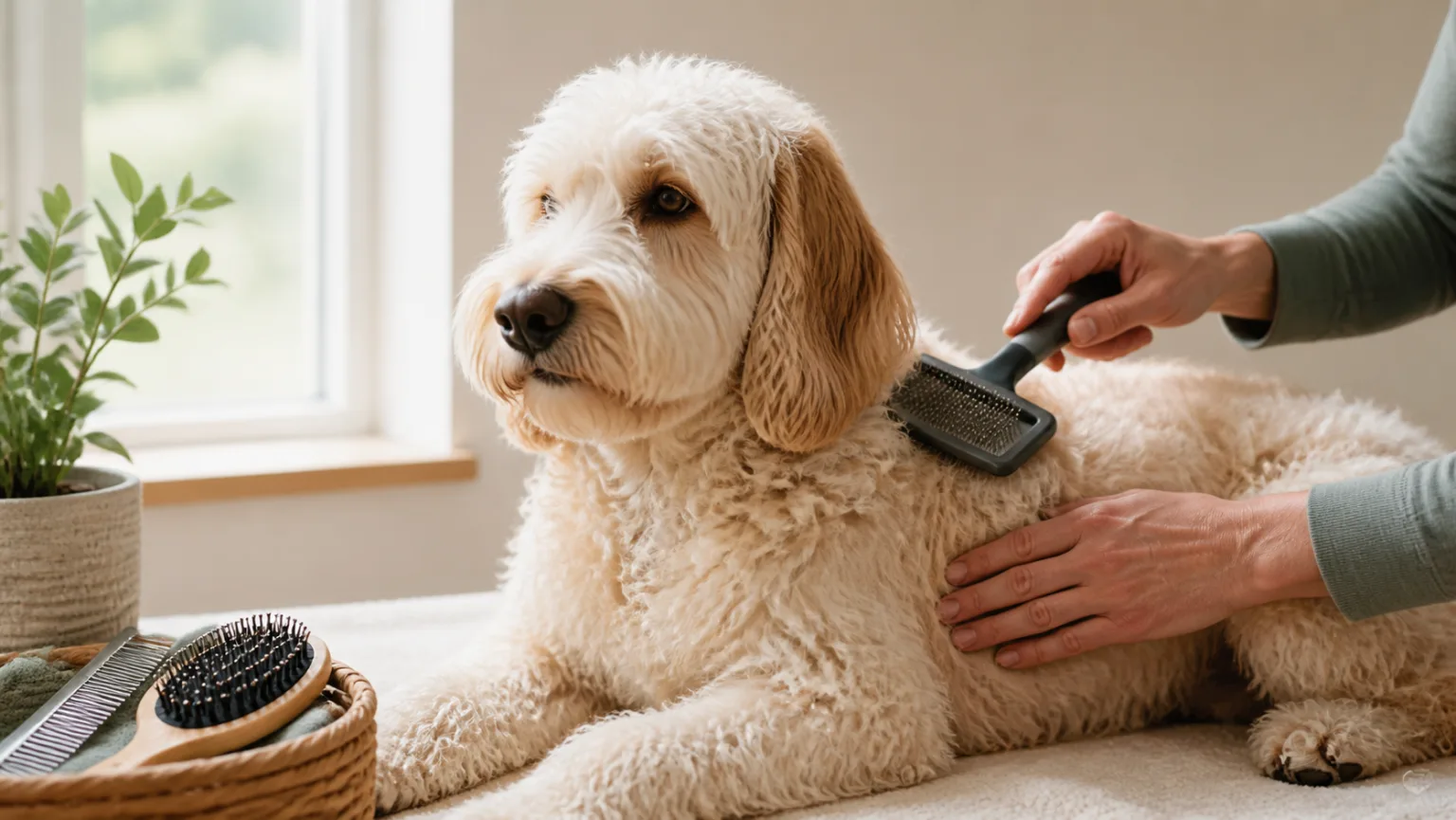
A dryer will not make a matted coat safe. Brush and comb before bathing, then dry in small sections while monitoring skin and comfort.
Affiliate disclosure: This page may display affiliate recommendations below. We may earn a commission at no extra cost to you. Safety and coat fit come before commission.
Which dryer type fits your routine?
| Dryer type | Best for | Watch for |
|---|---|---|
| Variable high-velocity canine dryer | Dense fleece or wool, regular home baths | Noise, hose control, concentrated airflow |
| Compact single-motor canine dryer | Shorter clips and occasional baths | Longer drying time on very dense coats |
| Stand dryer | Hands-free finishing by experienced handlers | Cost, space, and continuous monitoring |
| Towels only | Short or sparse coats, noise-sensitive introductions | Moisture remaining close to skin |
| Heated human dryer | Not our default recommendation | Concentrated heat and slow dense-coat drying |
Six buying criteria
- Variable airflow: Start low around a puppy or noise-sensitive dog, then increase only while the dog remains relaxed.
- Low-heat operation: Dense coats need moving air more than heat.
- Hose length and flexibility: You should reach each area without pulling the machine or wrestling the hose.
- Nozzle choice: A wider opening is gentler for introductions; concentrators move water faster but require control.
- Stable base and cleanable filter: Hair-filled filters reduce performance and can increase heat.
- Service and parts: Replacement hoses, nozzles, and filters make a dryer easier to keep.
A safer drying sequence
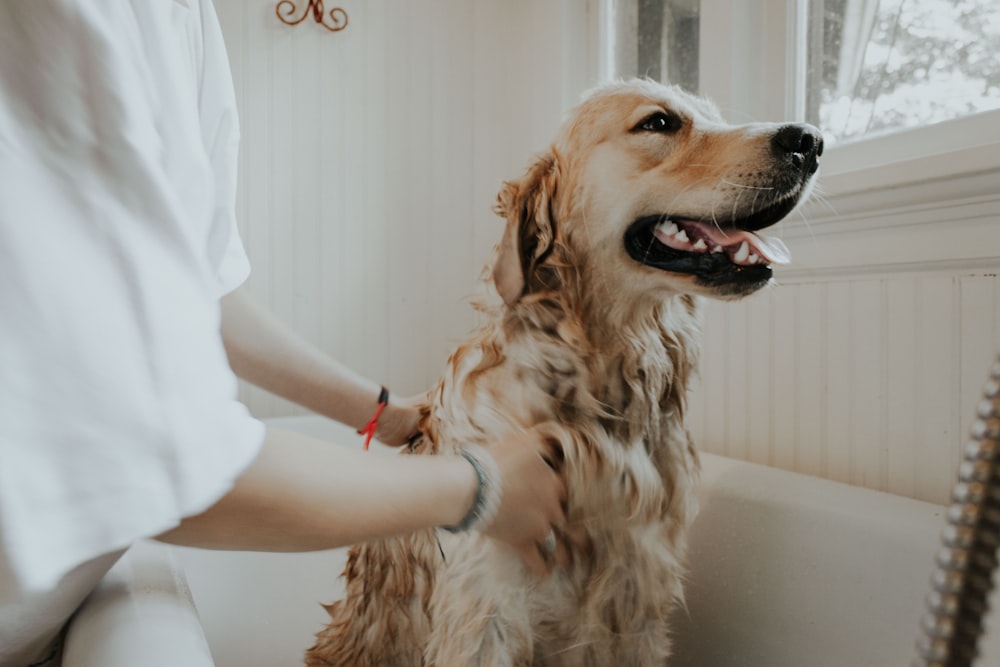
Press water out with absorbent towels instead of rubbing curls together. Put the dryer on a stable floor, keep the nozzle moving, and begin at the rear or shoulder rather than the face. Work section by section while parting or brushing the coat.
Keep strong airflow away from eyes, ears, nose, and other sensitive openings. Never leave a dog unattended with a dryer running.
Let your dog investigate the switched-off dryer. On another session, run it across the room at its lowest setting while feeding small treats. Reduce distance only when body language stays loose and comfortable.
The coat-length trade-off
The longer and denser the coat, the more time drying takes. If home baths routinely become exhausting for you or your dog, a shorter maintenance clip may be kinder than buying a more powerful machine.
See the coat-type guide, then build the rest of your home grooming kit.
Our selection method
We compare dryer types by controllable airflow, heat risk, noise management, hose ergonomics, filter maintenance, repairability, and realistic coat capacity. We avoid promising a quiet dryer—noise perception and dog tolerance vary.
Frequently Asked Questions
Does a Labradoodle need a high-velocity dryer? +
A canine high-velocity dryer is useful for regularly drying a dense fleece or wool coat because airflow moves water without relying on high heat. A short or sparse coat may need only thorough towel drying and gentle finishing.
Can I use a human hair dryer on my Labradoodle? +
Human dryers can concentrate heat on sensitive skin. A purpose-built canine dryer with controllable airflow and little or no heat is a safer default for regular dense-coat drying.
Why is my Labradoodle afraid of the dryer? +
Noise, airflow, movement, and the grooming surface can all be unfamiliar. Introduce the switched-off dryer first, pair distant low airflow with rewards, and shorten the session before the dog becomes distressed.