Breed Guide •
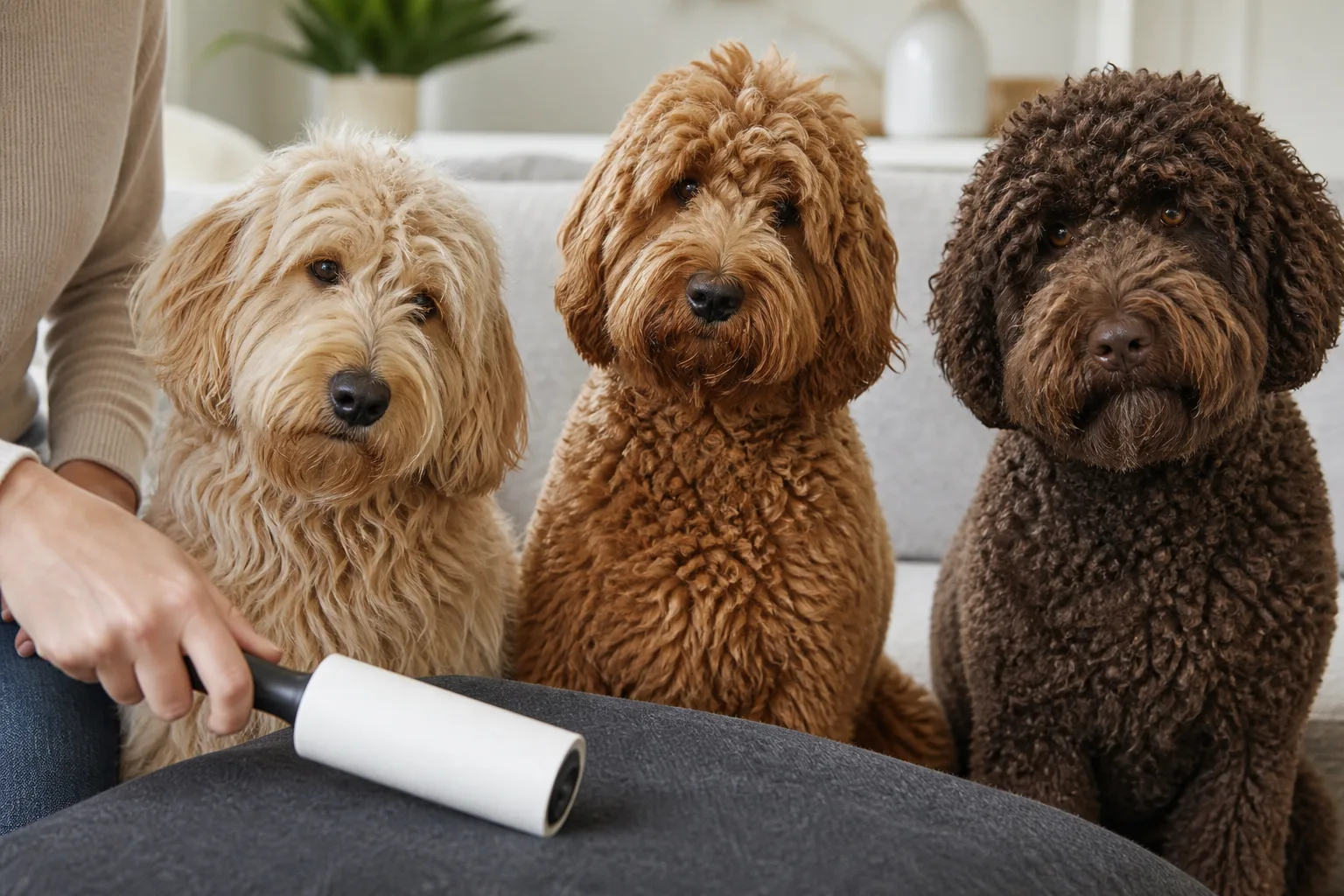
Are Labradoodles Hypoallergenic? Shedding and Allergy Reality
Understand Labradoodle shedding, coat genetics, and dog allergies before trusting a hypoallergenic promise from a breeder or listing.
Read article
Deep dives into the science and care of Labradoodles.
No fluff, just facts.
Understand Labradoodle shedding, coat genetics, and dog allergies before trusting a hypoallergenic promise from a breeder or listing.
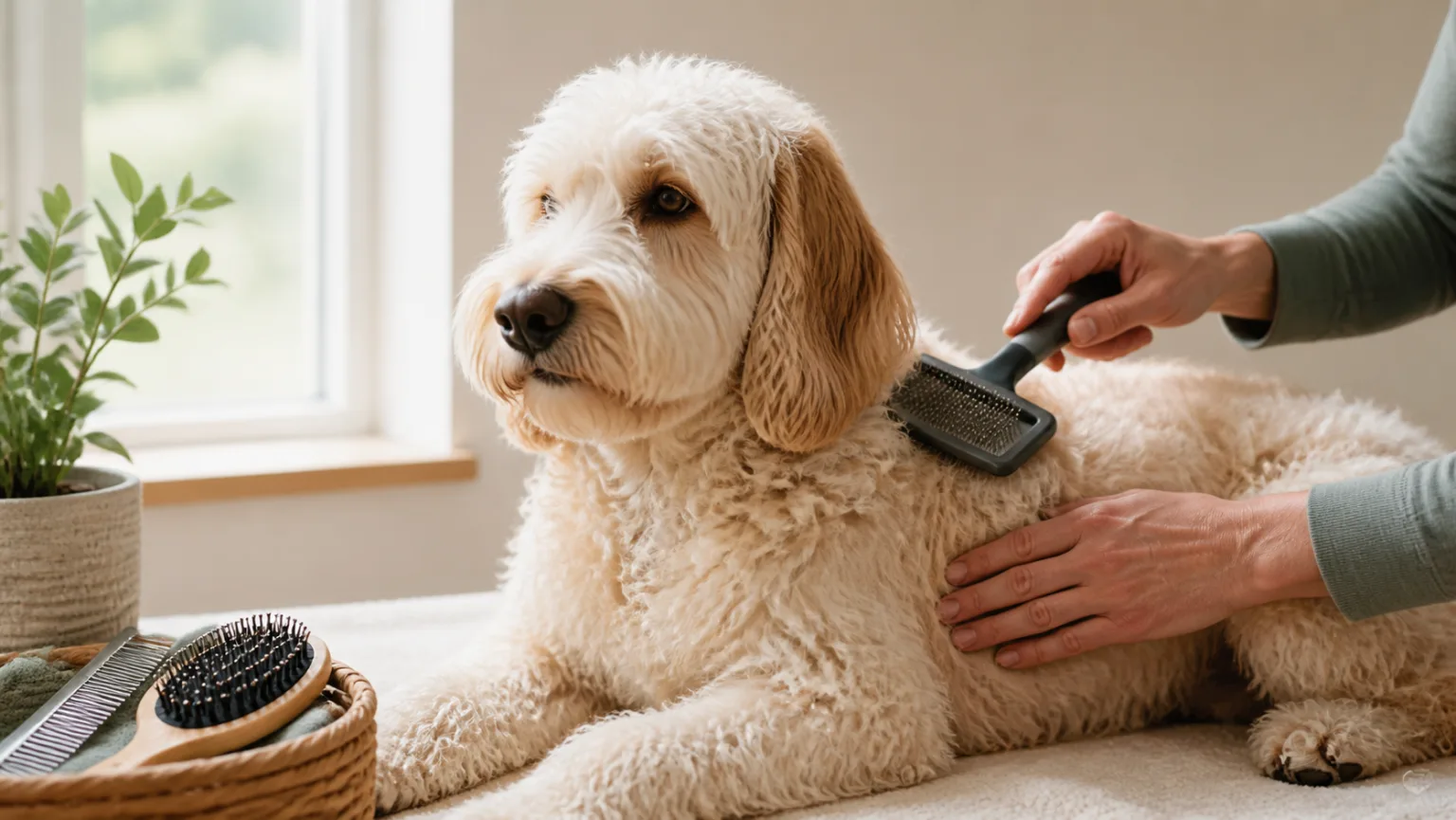
Choose a Labradoodle brush by coat type, density, and length. Compare slicker, pin, comb, and curry tools without the guesswork.

Compare Australian Labradoodles, early-generation Labradoodles, and multigenerational lines without treating a name as a quality guarantee.
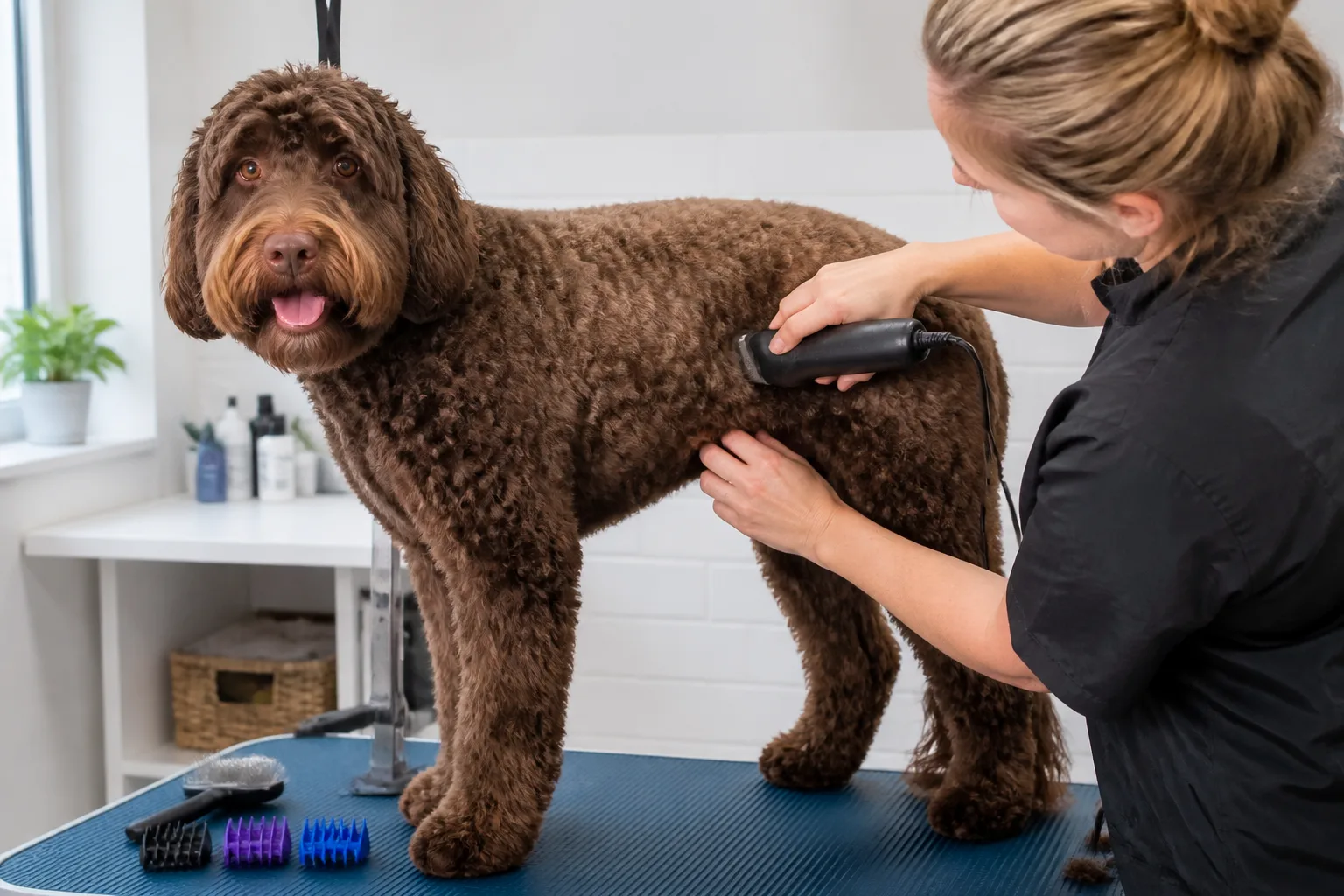
Choose dog clippers for a dense Labradoodle coat by motor type, blade system, heat control, maintenance, and the haircut you plan to do.
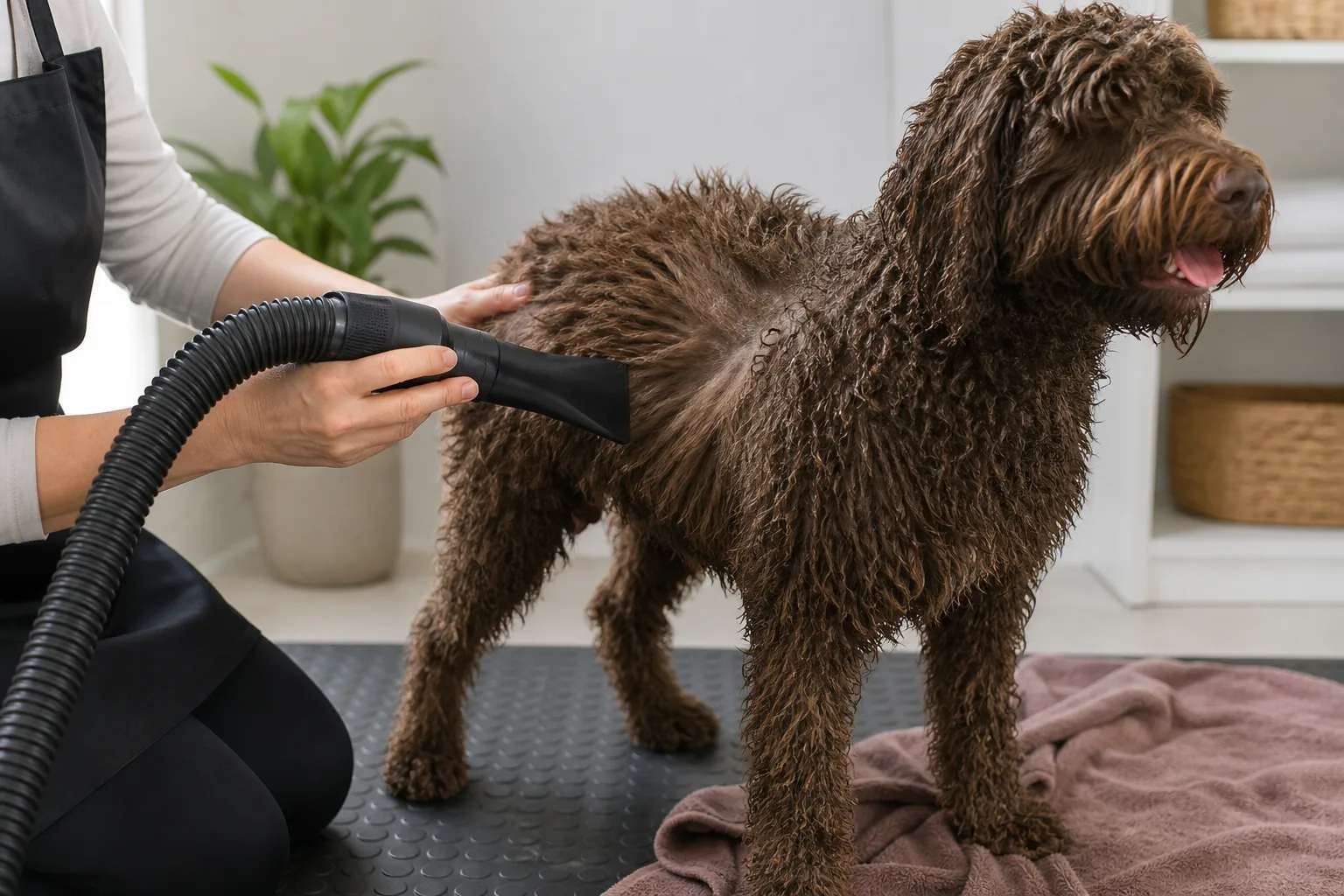
Choose a Labradoodle dryer by airflow, noise, controls, hose handling, and coat density—and learn how to dry without excess heat.

Choose a long line and harness for Labradoodle recall, decompression walks, and everyday training by fit, material, length, and handling.

Choose a pet camera for separation training by field of view, recording, alerts, privacy, placement, and what the footage can actually tell you.

Compare puppy pens, pressure gates, hardware-mounted gates, and room barriers for a growing, clever, people-focused Labradoodle.
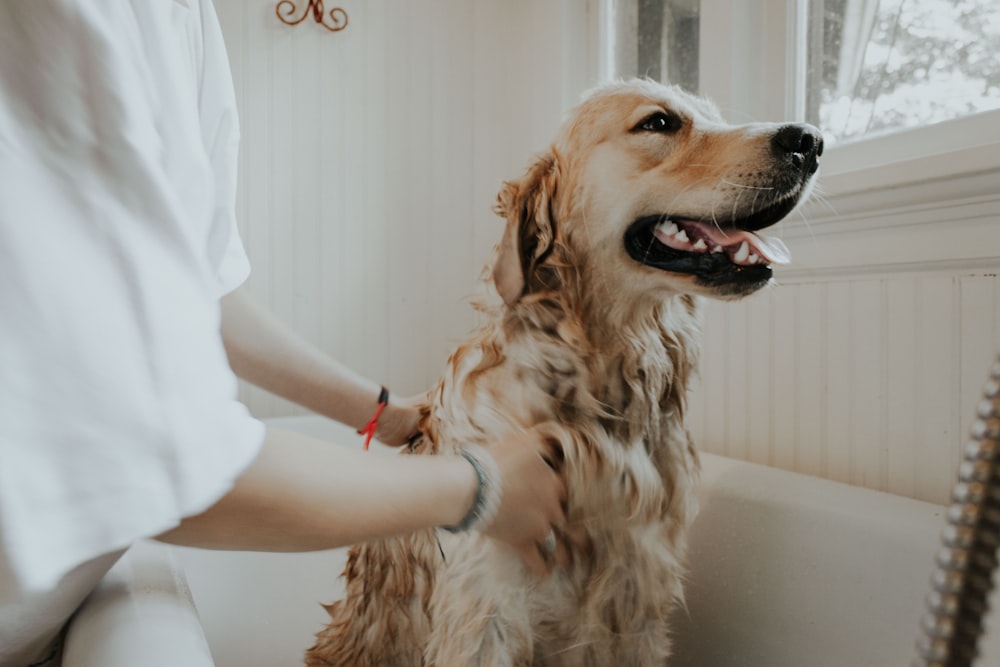
Choose Labradoodle shampoo for routine baths, puppy coats, sensitive skin, and dense fleece or wool—without confusing grooming with treatment.

Understand important Labradoodle health risks, the difference between DNA and clinical screening, and which records puppy buyers should verify.
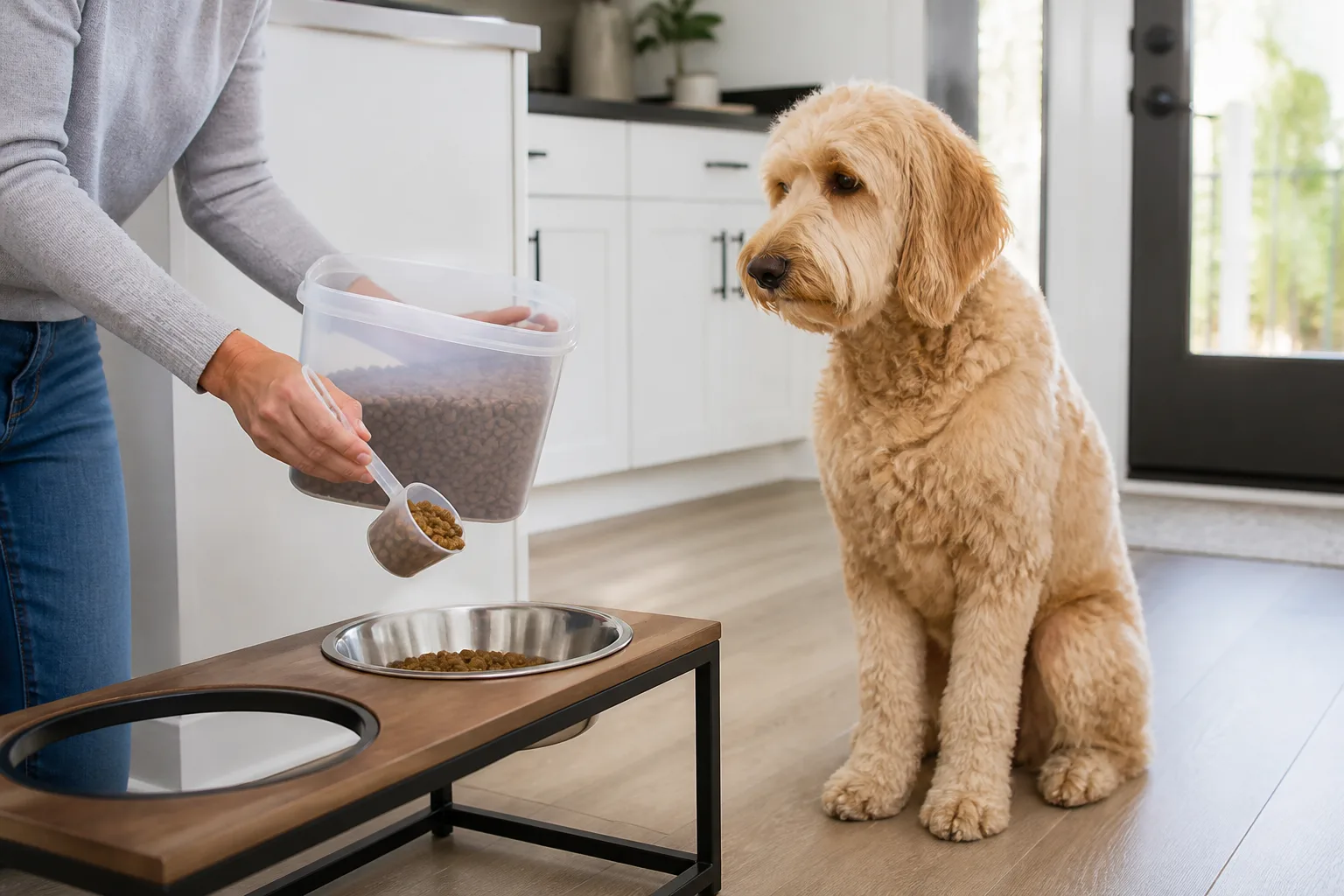
Estimate an adult Labradoodle's food from calories, body condition, life stage, activity, treats, and veterinary guidance—not cups alone.

Reduce barking and jumping by identifying triggers, preventing rehearsal, teaching replacement behaviors, and adjusting greetings and arousal.

Build a realistic Labradoodle budget for acquisition, grooming, food, veterinary care, training, insurance, travel, and emergencies.
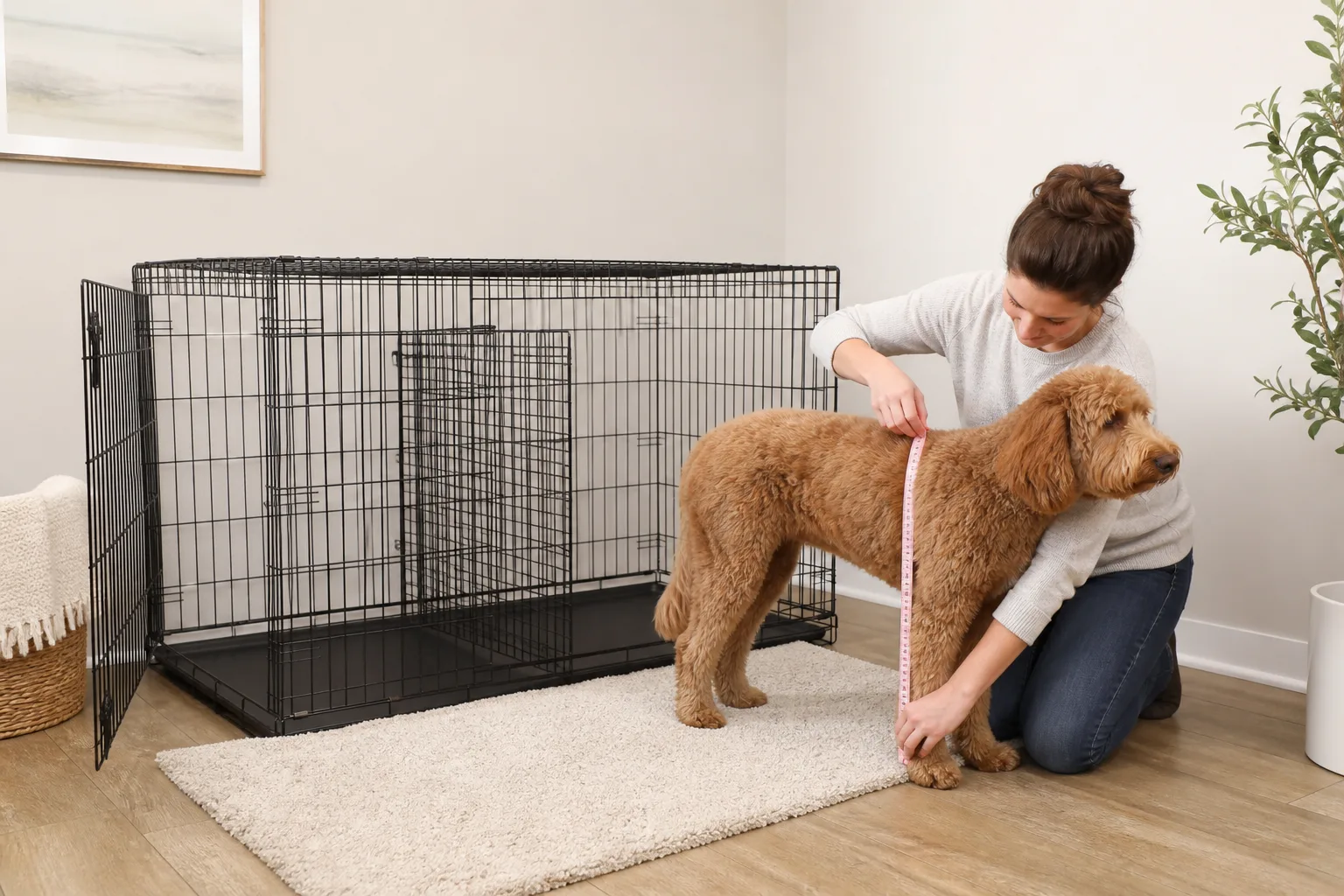
Measure your Labradoodle for the right crate, use a puppy divider, compare crate types, and avoid relying on an unreliable breed-size guess.

Plan Labradoodle exercise for puppies, adolescents, adults, and seniors using body condition, recovery, behavior, health, and individual energy.

Estimate Labradoodle grooming frequency and annual cost from coat type, length, home maintenance, location, behavior, and service level.
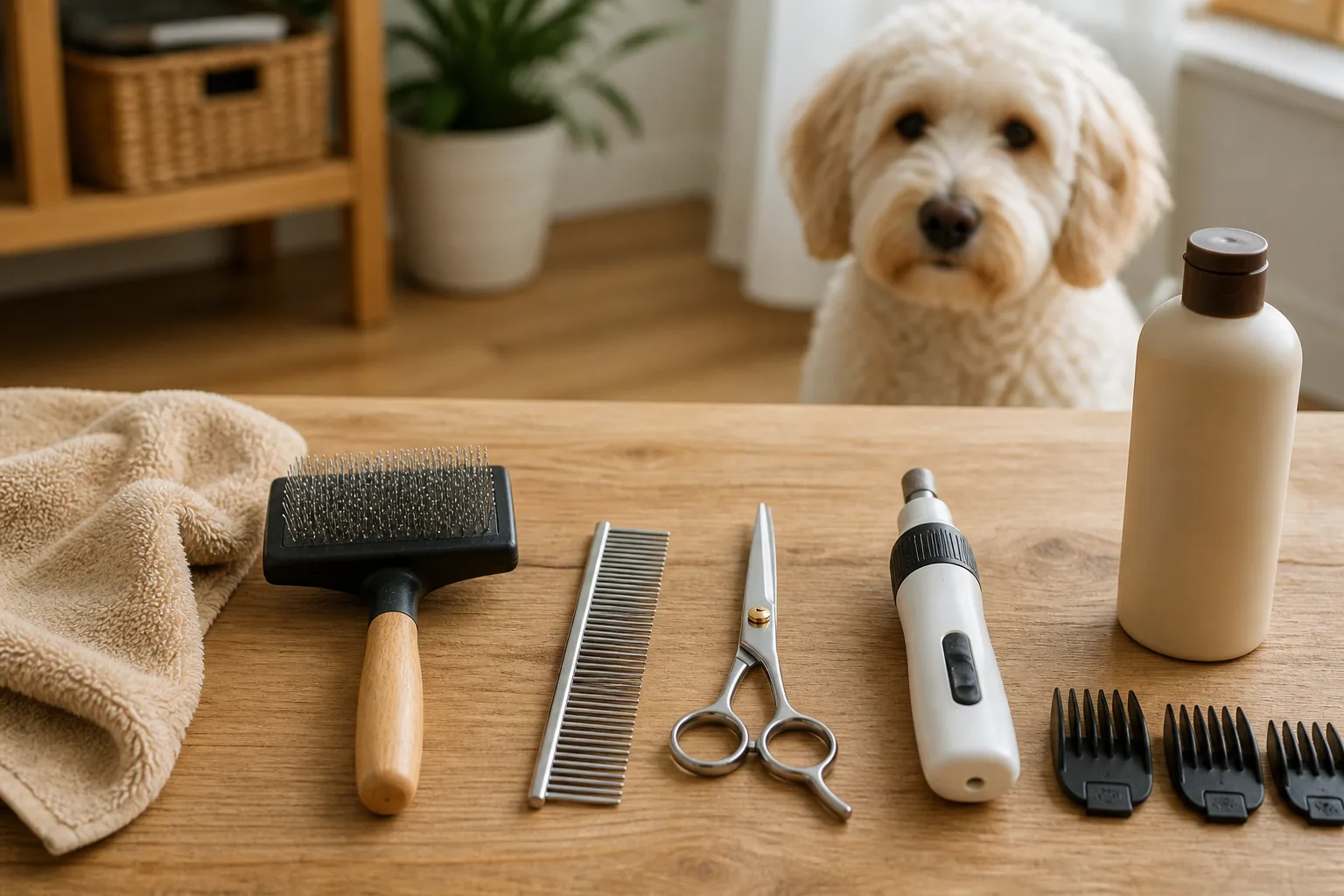
Build a practical Labradoodle grooming kit for brushing, bathing, drying, clipping, nails, and between-appointment coat care.

Assess Labradoodle weight with ribs, waist, abdominal tuck, muscle condition, growth stage, and veterinary trends rather than one breed number.
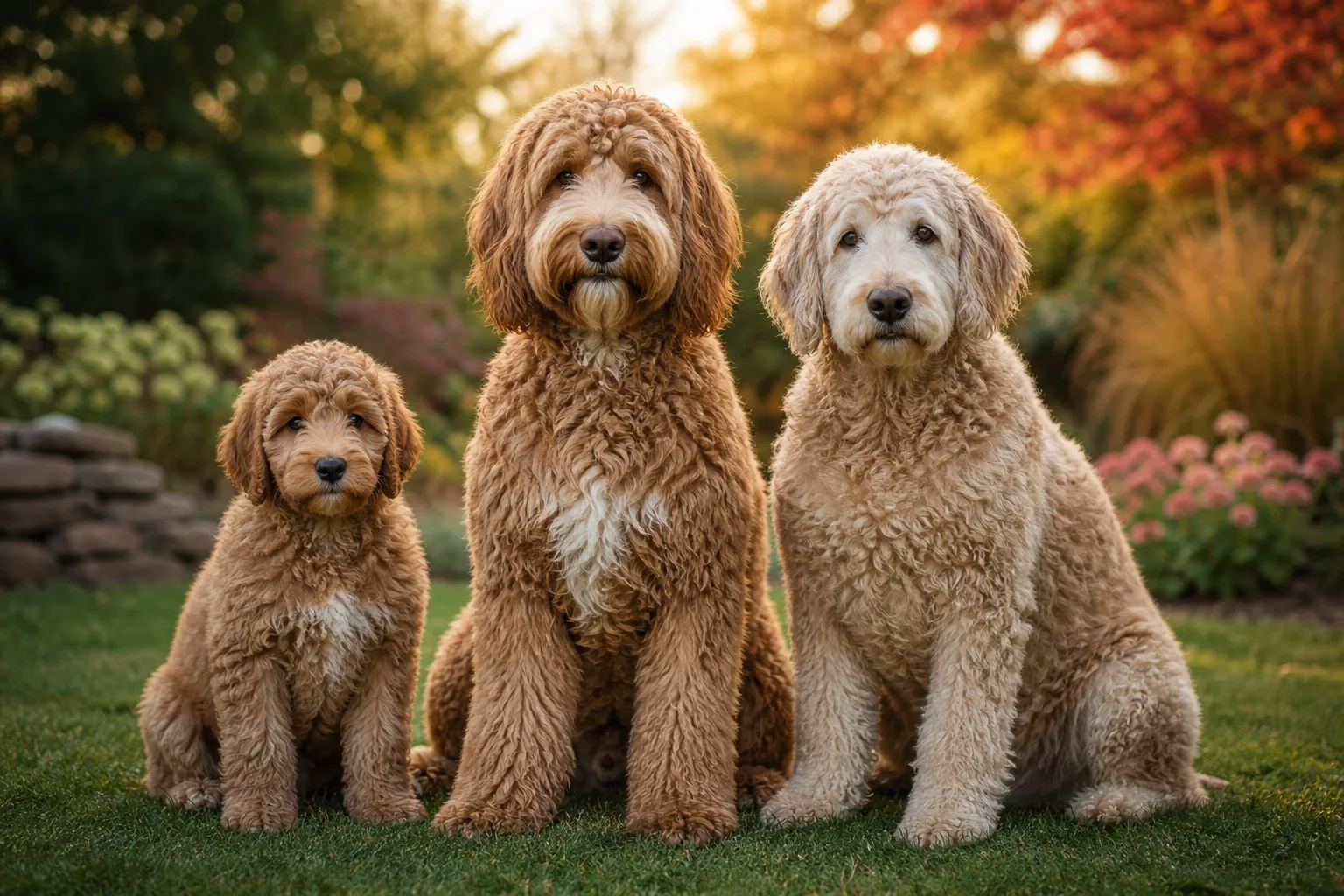
Understand Labradoodle puppy, adolescent, adult, mature, and senior stages—and which care decisions should follow the individual dog.
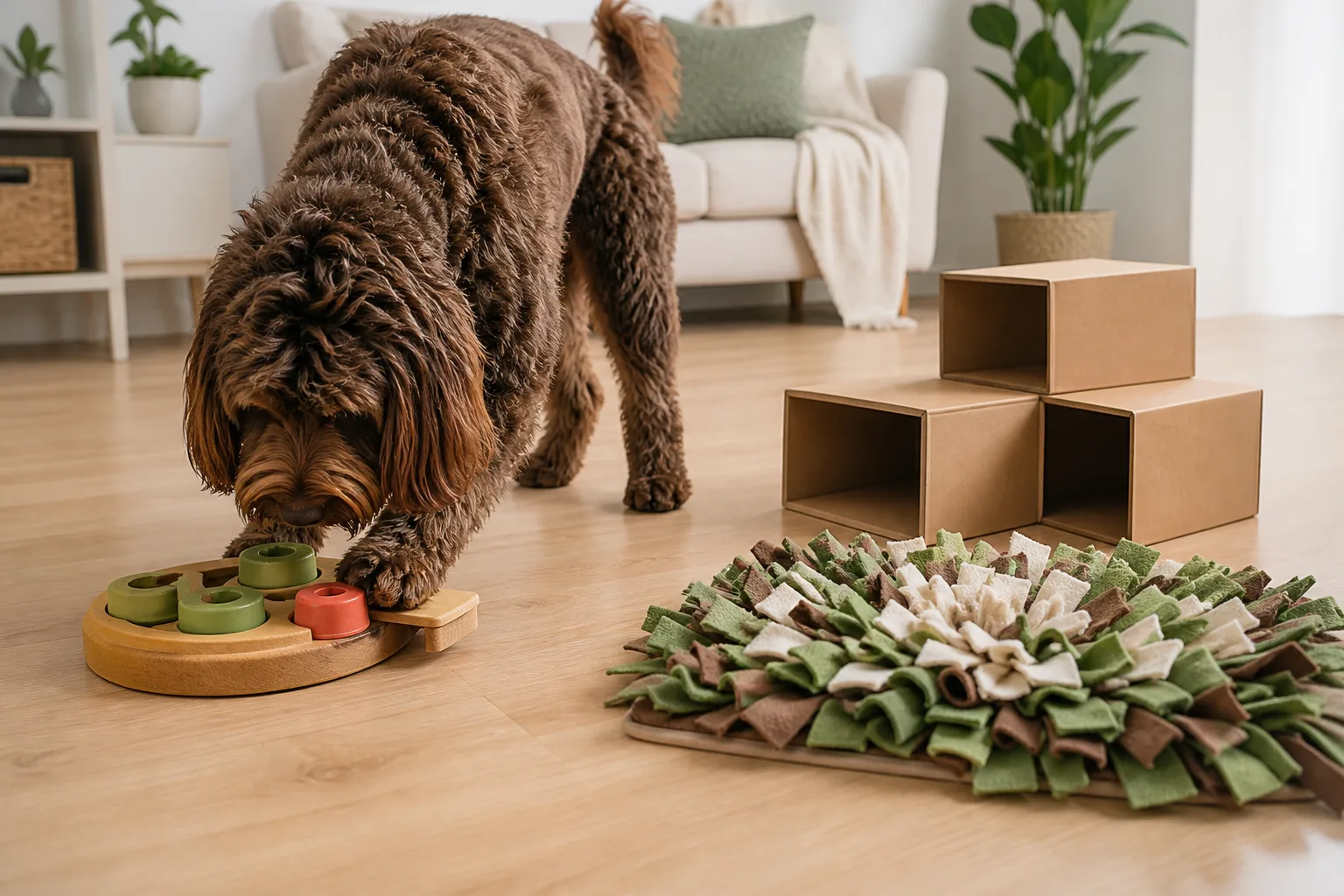
Give a Labradoodle useful mental work with sniffing, searching, chewing, training, problem-solving, choice, and calm enrichment at home.
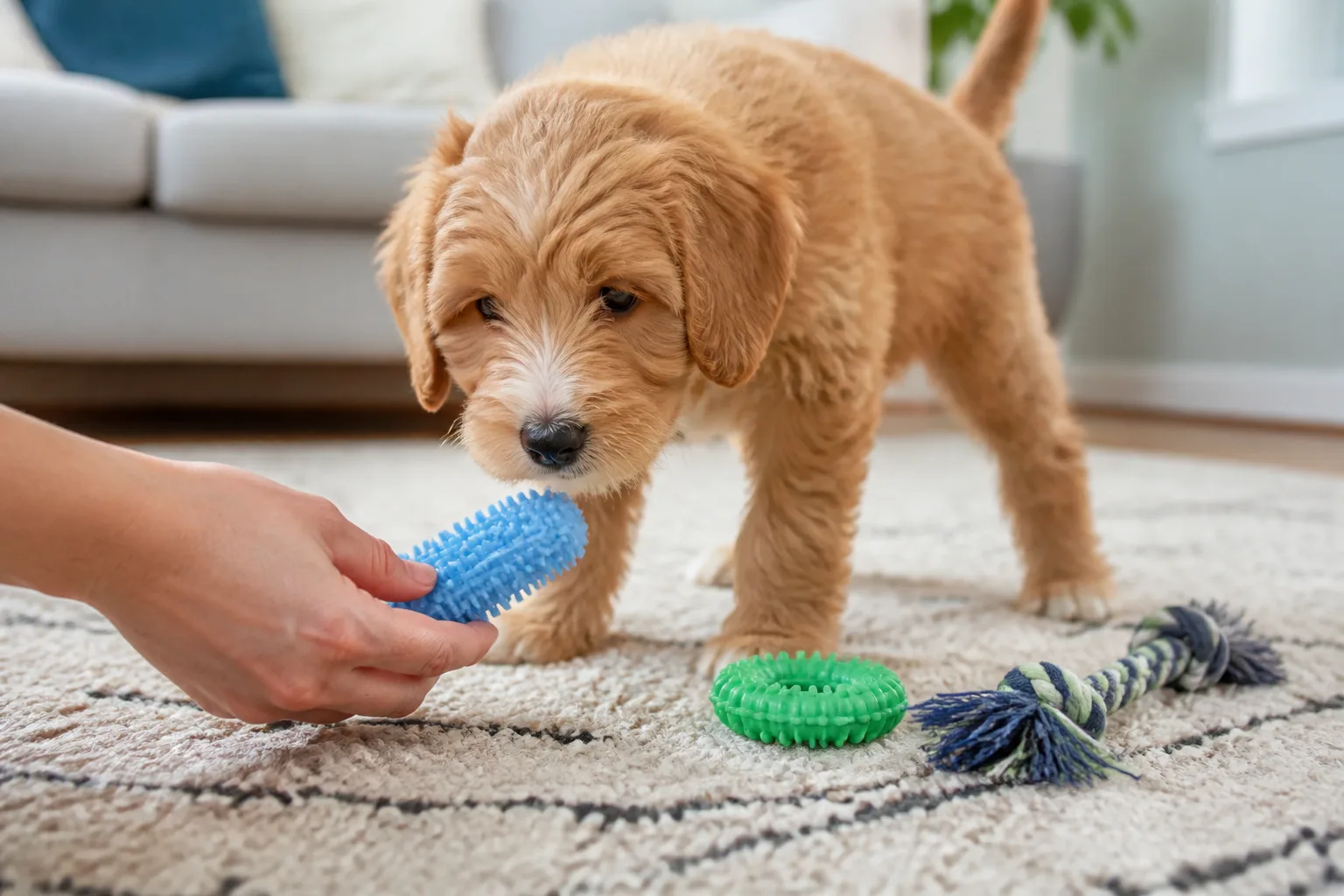
Manage normal Labradoodle puppy biting with sleep, prevention, toy rotation, brief play pauses, handling practice, and professional help when needed.

Plan a calmer first night and week with familiar food, toilet trips, sleep, a small safe area, gentle handling, records, and realistic expectations.

Build a realistic Labradoodle puppy schedule for sleep, toilet trips, meals, play, training, grooming handling, and brief alone-time practice.
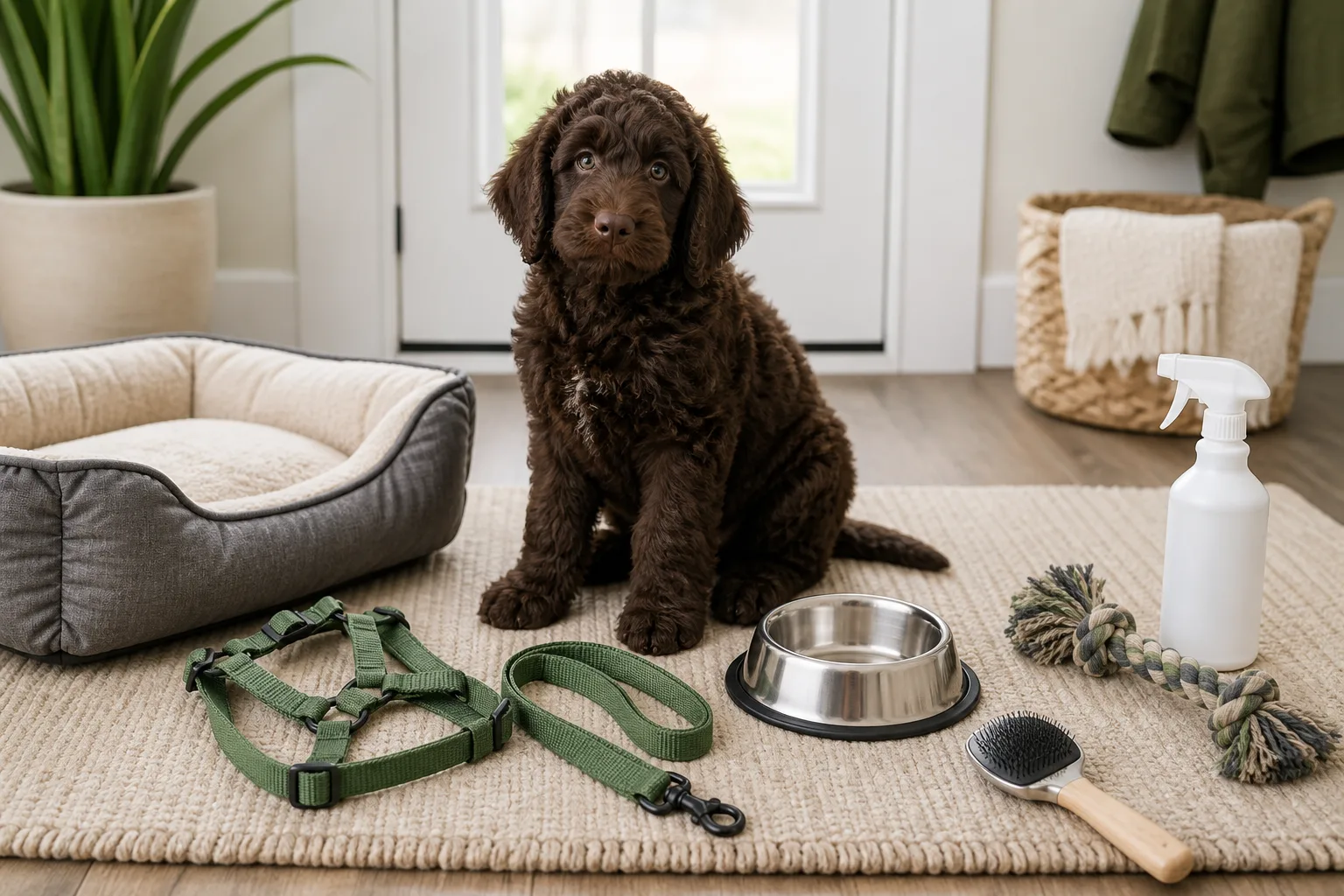
Prepare for a Labradoodle puppy with a practical checklist for sleep, feeding, training, grooming, cleanup, identification, and travel.
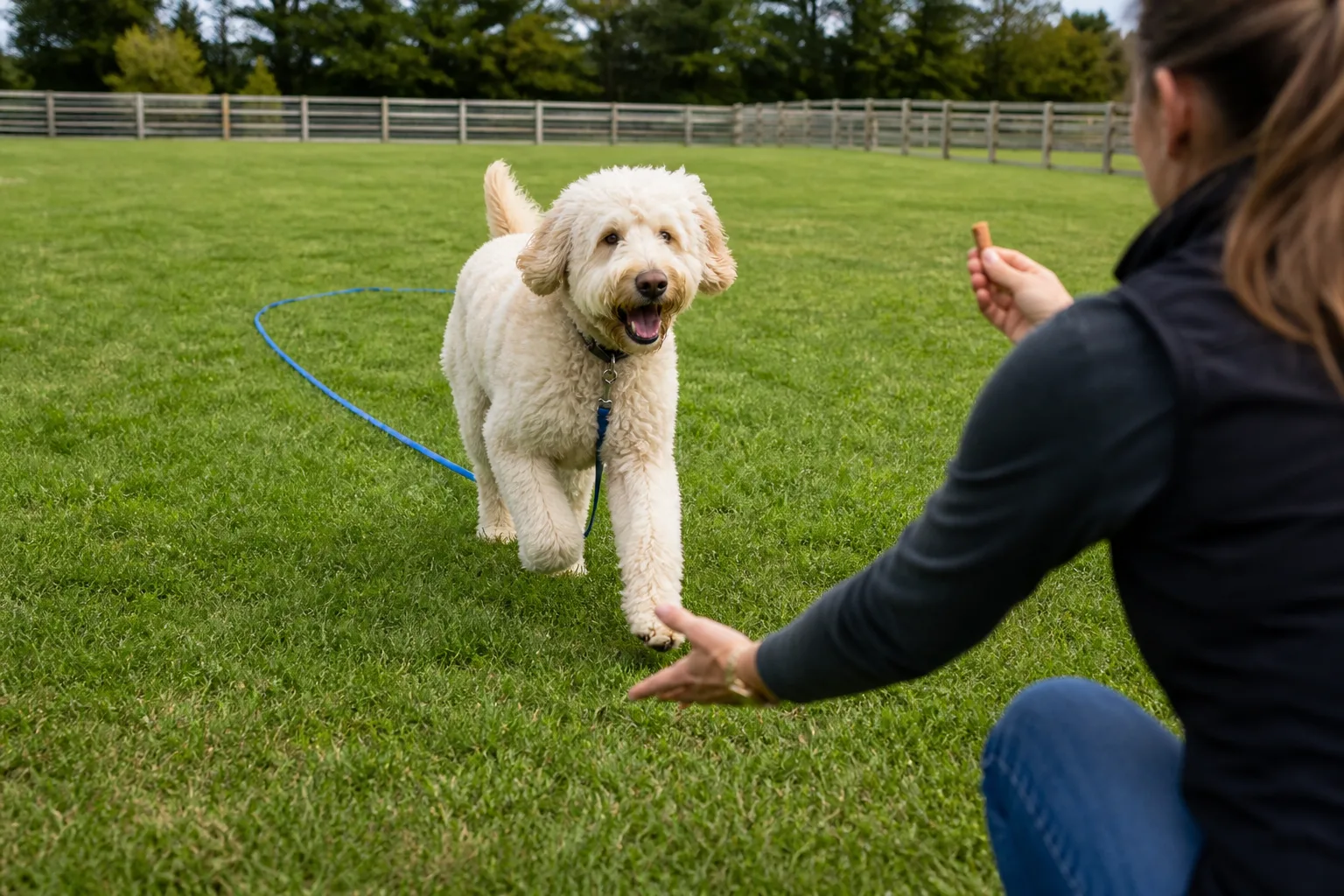
Teach Labradoodle recall with short repetitions, valuable rewards, controlled distance, long-line safety, releases, and gradual distractions.

Compare miniature, medium, and standard Labradoodle sizes, understand growth ranges, and estimate adult size without false precision.

Assess whether a Labradoodle fits your household by looking at sociability, energy, sensitivity, training, children, pets, and time alone.

Pack safer Labradoodle travel gear for car rides, hotels, hikes, and day trips, with restraint, identification, water, grooming, and cleanup covered.
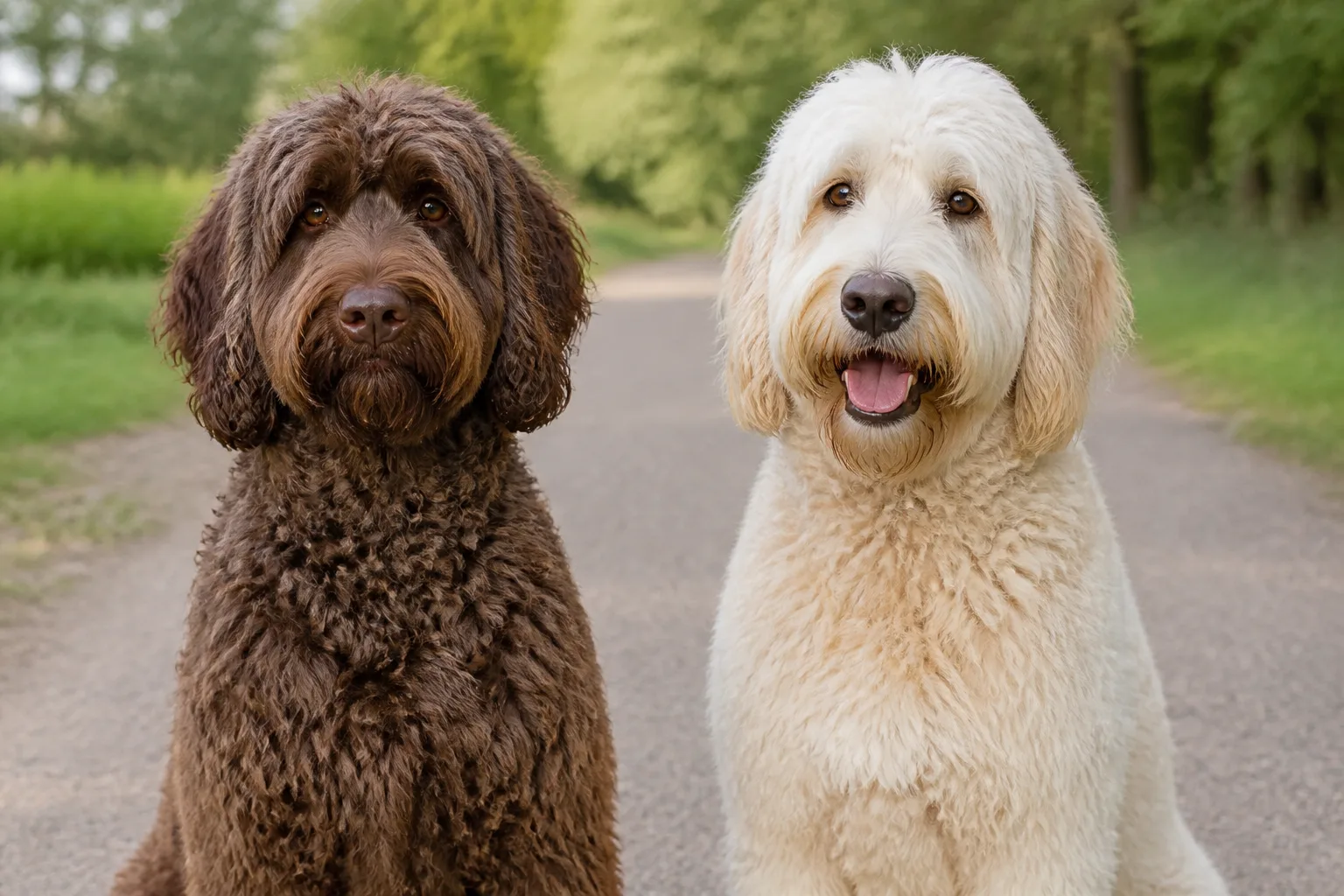
Compare Labradoodle and Goldendoodle ancestry, size, coat uncertainty, grooming, health evidence, energy, and breeder practices realistically.

Potty train a Labradoodle puppy with event-based trips, supervision, a simple log, calm accident cleanup, and gradual freedom.

Use these questions to verify health testing, pedigree, puppy rearing, contracts, matching, support, and breeder transparency before paying.
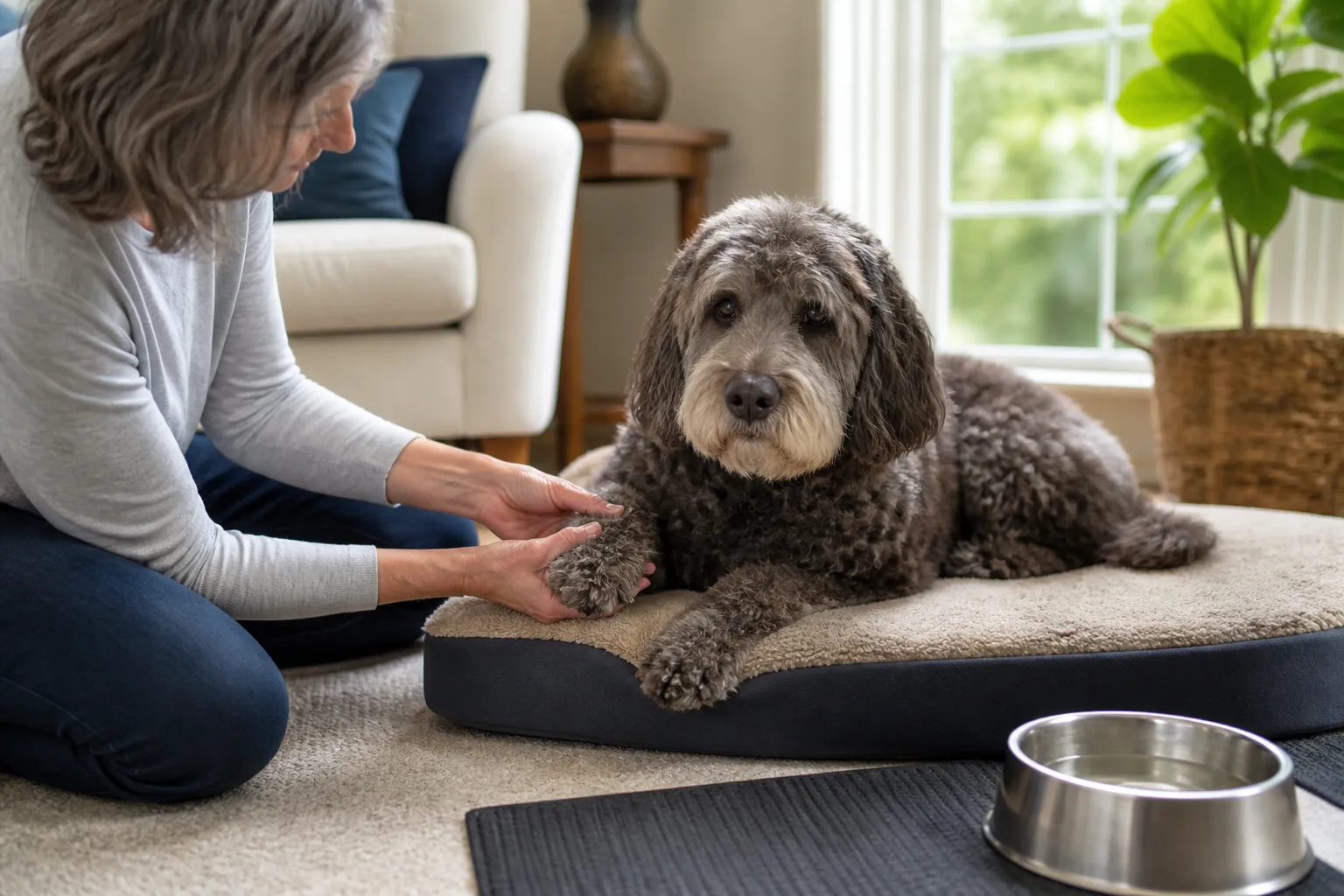
Support a senior Labradoodle with veterinary monitoring, adapted exercise, traction, grooming, nutrition, pain awareness, and cognitive care.
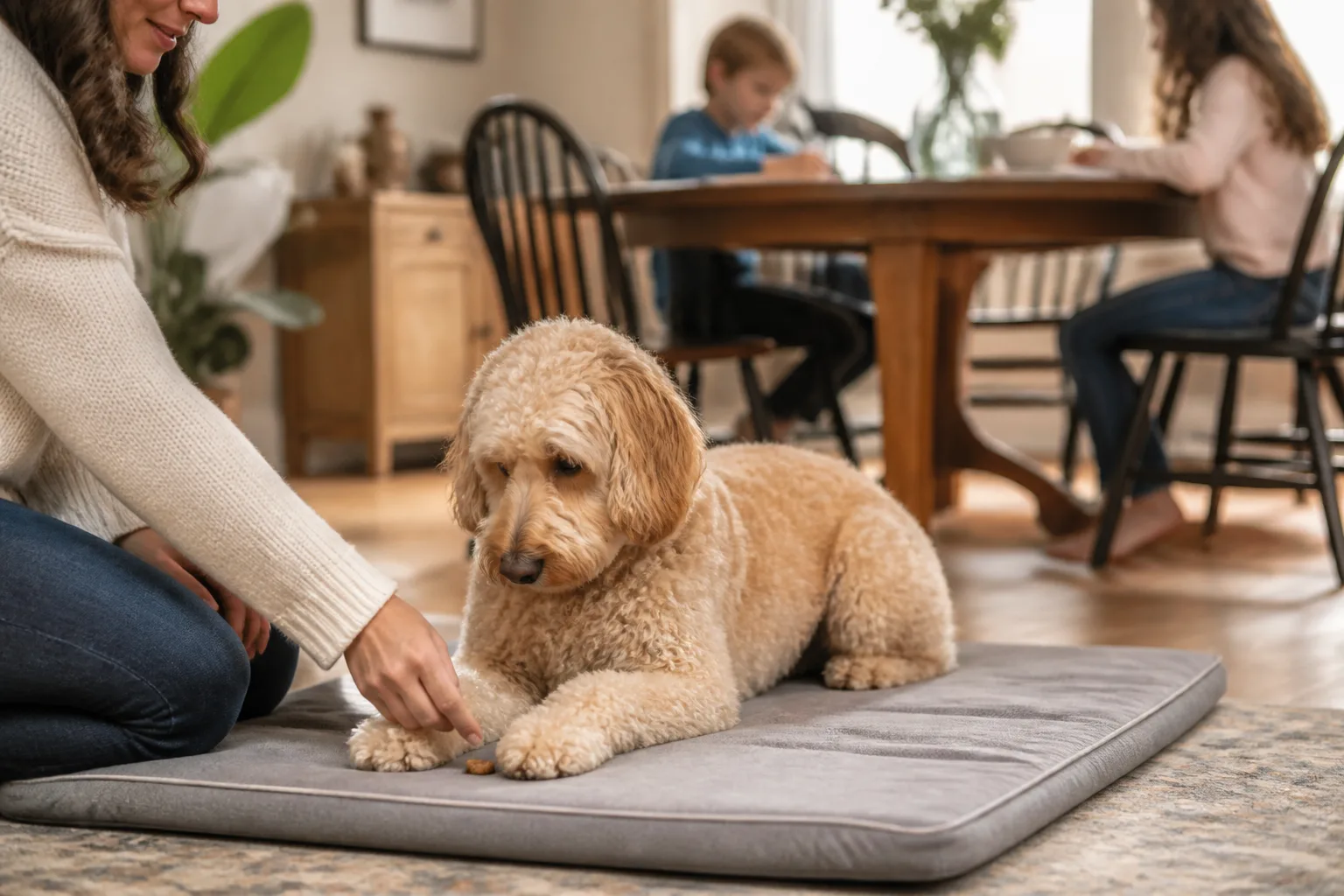
Teach calm Labradoodle behavior by meeting needs, rewarding spontaneous rest, using a mat, reducing arousal, and building duration gradually.

Why Labradoodles are at high risk for Gastric Dilatation-Volvulus. Recognizing the signs, the gastropexy debate, and prevention.

Why is your Labradoodle scratching? Understanding Atopic Dermatitis, from the pollen-trapping fleece coat to the latest treatments like Cytopoint.

Confused by coat types? We break down the difference between Fleece, Wool, and Hair coats, and how to groom each one.

Stop the whining. Learn how to crate train your sensitive Labradoodle using positive reinforcement, not punishment. A vet-approved guide.

A critical guide to vWD in Labradoodles. Learn the signs, the Poodle genetic connection, and why every owner needs to know their dog's status before surgery.

Why does your Labradoodle collapse after fetch? Understanding EIC, a genetic condition inherited from Labradors that causes temporary paralysis.

Sebaceous Adenitis (SA) is a genetic skin condition inherited from Poodles. Learn the symptoms, diagnosis, and management protocols.

Is your Labradoodle aggressive or just excited? Learn to manage the 'Frustrated Greeter' and stop leash reactivity with science-based training.

From Chalk to Chocolate, Parchment to Parti. A guide to Labradoodle colors, the fading gene, and what your puppy's color predicts about their health.

Don't rely on 'Hybrid Vigor.' A complete guide to the essential genetic tests for Labradoodles, including EIC, PRA, and vWD. Why Embark is the standard.

Is your Labradoodle a 'Velcro dog'? Learn why they are prone to separation anxiety and follow our veterinary behaviorist-approved protocol to fix it.

A comprehensive guide to PRA in Labradoodles. Understand genetic risks, early symptoms like night blindness, and why DNA testing is critical for this breed.
Surviving the 6-14 month puppy-to-adult coat transition. Why matting happens overnight and how to prevent the dreaded shave-down.

The science behind the merle coat pattern. Why 'Double Merle' breeding is dangerous and how to test your dog's genetics.

Expert guide on feeding your Labradoodle puppy. Learn about growth rates, calcium ratios, and preventing orthopedic issues through diet.
The definitive guide to generation math. Which generation is actually hypoallergenic? We break down the DNA percentages.

Everything you need to know about line brushing, comb types, and maintenance for fleece and wool coats. Save money on professional grooming.
Why Labradoodles are predisposed to Hypoadrenocorticism. Learn the early warning signs, diagnostic tests, and treatment protocols.

Protecting your Labradoodle's joints from puppyhood to senior years. Verified advice on growth plates, stairs, and joint supplements.

You only have 16 weeks to shape your Labradoodle's temperament. Here is the science-based checklist for exposing your puppy to the world.

The genetics of the 'F' locus (RSPO2). Why your F1 Labradoodle might shed and have a flat coat instead of a teddy bear look.
The great debate of doodle ears. Current veterinary consensus on ear hair plucking, cleaning solutions, and preventing chronic yeast infections.
Affiliate links · U.S. prices and availability may change