Ear Infection Prevention: To Pluck or Not to Pluck?
The great debate of doodle ears. Current veterinary consensus on ear hair plucking, cleaning solutions, and preventing chronic yeast infections.
The Dark, Damp Cave
Labradoodles have close to the perfect anatomy for ear infections: long, heavy flaps (pinnae) that trap moisture, and a vertical canal often filled with hair. This creates a warm, dark, humid incubator where yeast and bacteria thrive 1 .
But anatomy is only half the story. Veterinary dermatologists divide the causes of chronic ear disease (otitis externa) into three groups, and understanding them is the key to actually solving the problem instead of chasing it every few weeks.
The Three Layers of Ear Disease
Predisposing factors set the stage (floppy ears, hair, moisture). Primary causes actually start the inflammation—most often allergies. Perpetuating factors (yeast, resistant bacteria, thickened canal tissue) keep it going once it’s started 1 .
Here is why that matters: a doodle’s floppy ears and canal hair are only predisposing factors. If your dog gets infection after infection, the real culprit is almost always an underlying primary cause—and in dogs, the number-one primary cause of recurrent otitis is environmental or food allergies 2 . You can clean ears perfectly forever and still lose the battle if you never address the allergy underneath.
The Plucking Debate
For years, the standard advice was to pluck all the hair out of the ear canal. Veterinary dermatology consensus has shifted.
The old school: Pluck everything to increase airflow. The new school: Plucking causes micro-trauma and inflammation to the sensitive canal lining, which can actually invite infection 2 .
The Pros
- • Plucking may help when hair forms a dense plug that traps debris
- • Improves airflow in a genuinely hairy canal
- • Lets medication reach the canal in a heavily furnished ear
The Cons
- • Creates micro-abrasions that can seed new infections
- • Painful and inflammatory in an already-irritated ear
- • Unnecessary for healthy, open ear canals
- • Can make a dog fearful of future ear handling
Current recommendation: Only pluck when it’s actually needed. If the hair is so thick it forms a plug, gently remove the central bulk. If the ear is healthy and open, leave it alone. Never pluck an inflamed ear—it hurts, and it makes things worse.
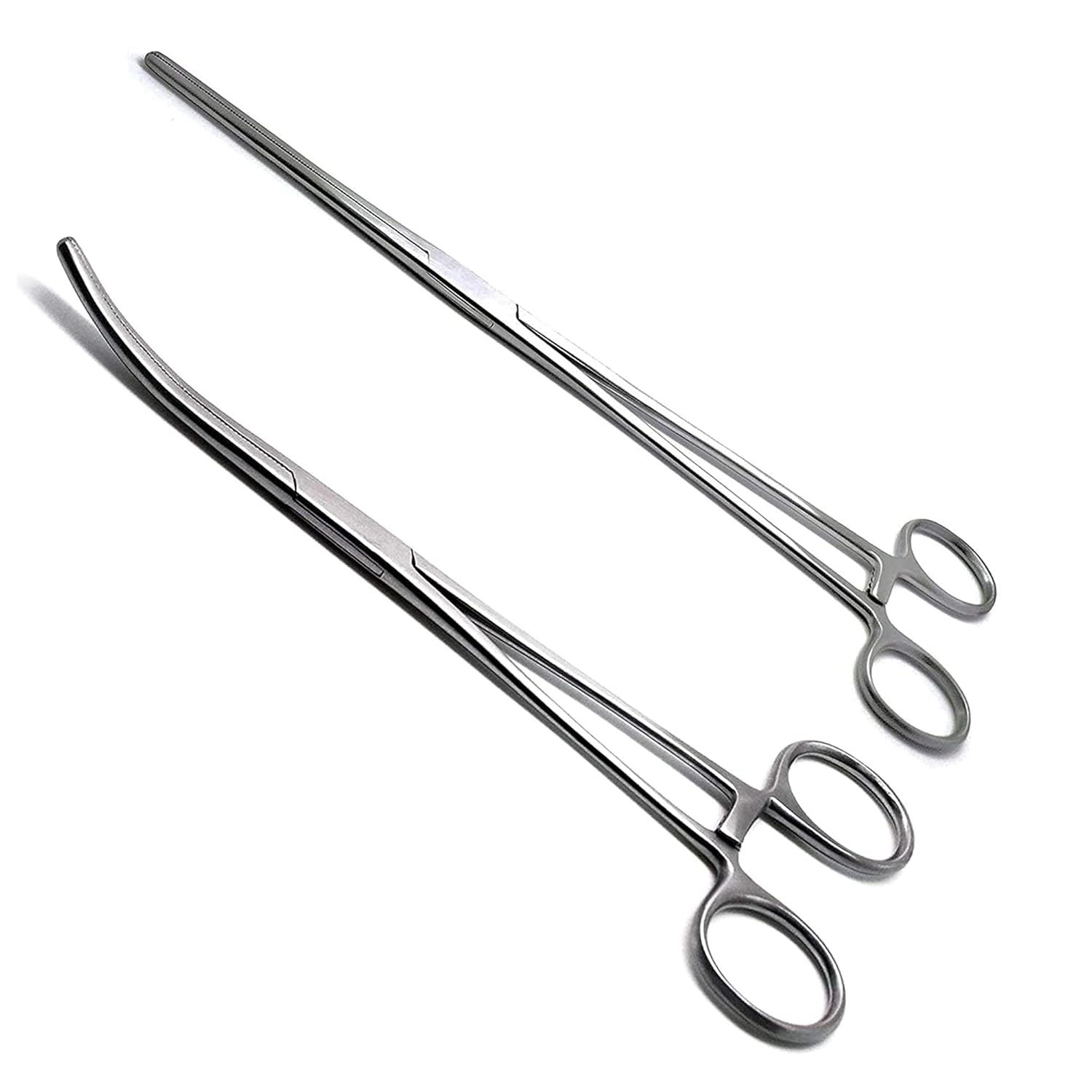
Professional Curved Hemostat
Essential tool for gentle ear hair removal. The curved tip prevents accidental pinching.
Affiliate link. We may earn a commission.
Routine Maintenance
1. The Weekly Smell Test
Sniff your dog’s ears once a week. A healthy ear smells like almost nothing. A yeast (Malassezia) infection often smells sweet or like corn chips; a bacterial infection tends to smell genuinely rotten. A change in odor is your earliest warning sign.
2. Clean Strategically, Not Constantly
Clean the ears after baths and swimming—water left in the canal is a primary trigger—rather than on a rigid daily schedule. Over-cleaning a healthy ear strips its natural defenses and can cause irritation on its own.
- Fill the canal with a quality drying/acidifying cleaner.
- Massage the base of the ear for 20–30 seconds (listen for the squish).
- Let your dog shake their head—this brings debris up out of the canal.
- Wipe only the visible parts with a cotton ball. Never push a Q-tip down into the canal; it packs debris deeper and can damage the eardrum.

Zymox Otic Enzymatic Solution
The #1 vet-recommended solution for chronic ear infections. No pre-cleaning required.
Affiliate link. We may earn a commission.
Some cleaners and medications are ototoxic—they can cause permanent deafness if the eardrum (tympanic membrane) is ruptured. If your dog’s ear is painful, bleeding, or producing heavy discharge, let a vet examine the canal and confirm the eardrum is intact before you pour anything in.
When Home Care Isn’t Enough
Book a vet visit—don’t just keep cleaning—if you see any of these:
- Persistent head shaking or holding the head tilted to one side
- Redness, swelling, or a “pebbled” thickened canal
- Brown, yellow, or bloody discharge
- Crying, pawing, or flinching when the ear is touched
- A soft, fluid-filled swelling of the ear flap (an aural hematoma, caused by violent head shaking)
Your vet will take cytology—a swab looked at under the microscope—to determine whether the infection is yeast, bacteria, or both. This is essential, because the treatment for each is completely different, and guessing wrong can breed resistant bacteria.
Breaking the Cycle
If your Labradoodle is on their third or fourth ear infection of the year, stop treating the ear in isolation. Ask your vet to investigate the underlying allergy, because that is the engine driving the recurrence. Managing the allergy—alongside sensible after-bath drying and strategic cleaning—is what finally breaks the cycle. Untreated, chronic otitis can lead to a permanently narrowed canal and even permanent hearing loss if the eardrum ruptures.
Frequently Asked Questions
Should I pluck the hair out of my Labradoodle's ears? +
Only when it's necessary. Modern veterinary dermatology advises against routinely plucking healthy ears, because it causes micro-trauma and inflammation that can invite infection. If hair forms a dense plug that traps debris, gently remove the central bulk—but never pluck an inflamed, painful ear.
Why does my Labradoodle keep getting ear infections? +
Floppy ears and canal hair are only predisposing factors. Recurrent infections almost always point to an underlying primary cause, most commonly environmental or food allergies. If you don't address the allergy, the infections keep coming back no matter how well you clean.
How can I tell if my dog's ear infection is yeast or bacterial? +
You can't reliably tell at home—both cause odor and discharge. A vet needs to take cytology (a swab examined under the microscope) to identify yeast versus bacteria, because the treatment for each is different. Guessing wrong can breed resistant bacteria.
How often should I clean my Labradoodle's ears? +
Clean strategically rather than daily—especially after baths and swimming, since trapped water is a major trigger. Over-cleaning a healthy ear strips its natural defenses. A weekly smell check plus cleaning after water exposure is a good baseline for most doodles.