Sebaceous Adenitis in Labradoodles: The Silent Skin Disease
Sebaceous Adenitis (SA) is a genetic skin condition inherited from Poodles. Learn the symptoms, diagnosis, and management protocols.
The “Silver Scale”: Understanding Sebaceous Adenitis
When you bring home a fluffy Labradoodle puppy, you likely dream of a low-shedding, teddy-bear coat. You expect to deal with grooming appointments and the occasional muddy paw. But for some owners, that dream turns into a nightmare of scaling skin, unexplained hair loss, and a distinct, lingering musty odor.
This isn’t just dry skin. It might be Sebaceous Adenitis (SA).
SA is an immune-mediated skin disease where the dog’s immune system attacks and destroys its own sebaceous glands—the glands responsible for producing sebum (oil) to keep the skin and coat healthy. Without this oil, the hair follicles die, the skin becomes scaly, and the coat falls out.
While it can affect any breed (including Akitas and Vizslas), it is a significant and persistent issue in the Standard Poodle gene pool. This means it is a direct, inherited risk for all Labradoodles.
The Poodle Connection: Why Labradoodles Are At Risk
Labradoodles are a hybrid of the Labrador Retriever and the Poodle. While “hybrid vigor” (heterosis) can reduce the risk of some diseases, it does not eliminate recessive genetic conditions that are prevalent in the parent breeds.
Sebaceous Adenitis is highly prevalent in Standard Poodles. According to the Orthopedic Foundation for Animals (OFA) 1 , a significant percentage of Poodles carry or are affected by this condition. The Akita and the Standard Poodle are the two breeds most synonymous with this disease.
Understanding the Genetics
Because most Labradoodles—especially F1b and multigens—have a high percentage of Poodle genetics, they inherit this risk. The mode of inheritance is believed to be autosomal recessive.
- Autosomal Recessive: A puppy usually needs to inherit a copy of the gene from both parents to be clinically affected.
- Carriers: A dog with only one copy of the gene will likely have a normal coat but can pass the gene to its offspring.
This is why “clear by parentage” is a dangerous assumption unless both parents have been rigorously tested. In the Labradoodle world, where backcrossing to Poodles (to create F1bs) is common to achieve hypoallergenic coats, the risk of doubling up on Poodle-specific genetic flaws increases if breeders are not careful.

Identifying the Symptoms: The “Great Imitator”
SA often manifests in young to middle-aged dogs (1-5 years old). The early signs can be subtle and are often mistaken for simple allergies, seborrhea, or even hypothyroidism. However, there are distinct markers that set SA apart.
Key Indicators
- The “Silver Scale”: This is the hallmark of the disease. You will see fine, silvery white scales that adhere tightly to the hair shaft, not just flakes sitting on the skin.
- Alopecia (Hair Loss): Patchy hair loss is common. It often starts at the head, top of the neck, and moves down the back (the dorsal midline). The tail (“rat tail”) and ears are also frequently affected.
- Musty Odor: A distinct, unpleasant smell is often present. This is not the smell of the disease itself, but rather the result of secondary bacterial or yeast infections that thrive on the compromised skin.
- Coat Changes: The coat becomes dry, brittle, and harsh to the touch. For Labradoodles with fleece or wool coats, the curl may straighten out or break off.
- ** follicular Casting:** If you pull out a tuft of hair, you may see a clump of keratin (dead skin cells) surrounding the base of the hair shafts.
If you notice scaling or hair loss, do not assume it is just “dry skin” or food allergies. Delaying diagnosis can lead to severe secondary infections and unnecessary suffering.
SA vs. Allergies
Labradoodles are prone to environmental and food allergies, which makes diagnosis tricky.
- Allergies: typically cause intense itching (pruritus), foot chewing, and red, inflamed skin.
- Sebaceous Adenitis: is often non-pruritic (not itchy) in the early stages, unless a secondary infection is present. The dog loses hair but may not scratch.
Diagnosis: Biopsy is the Gold Standard
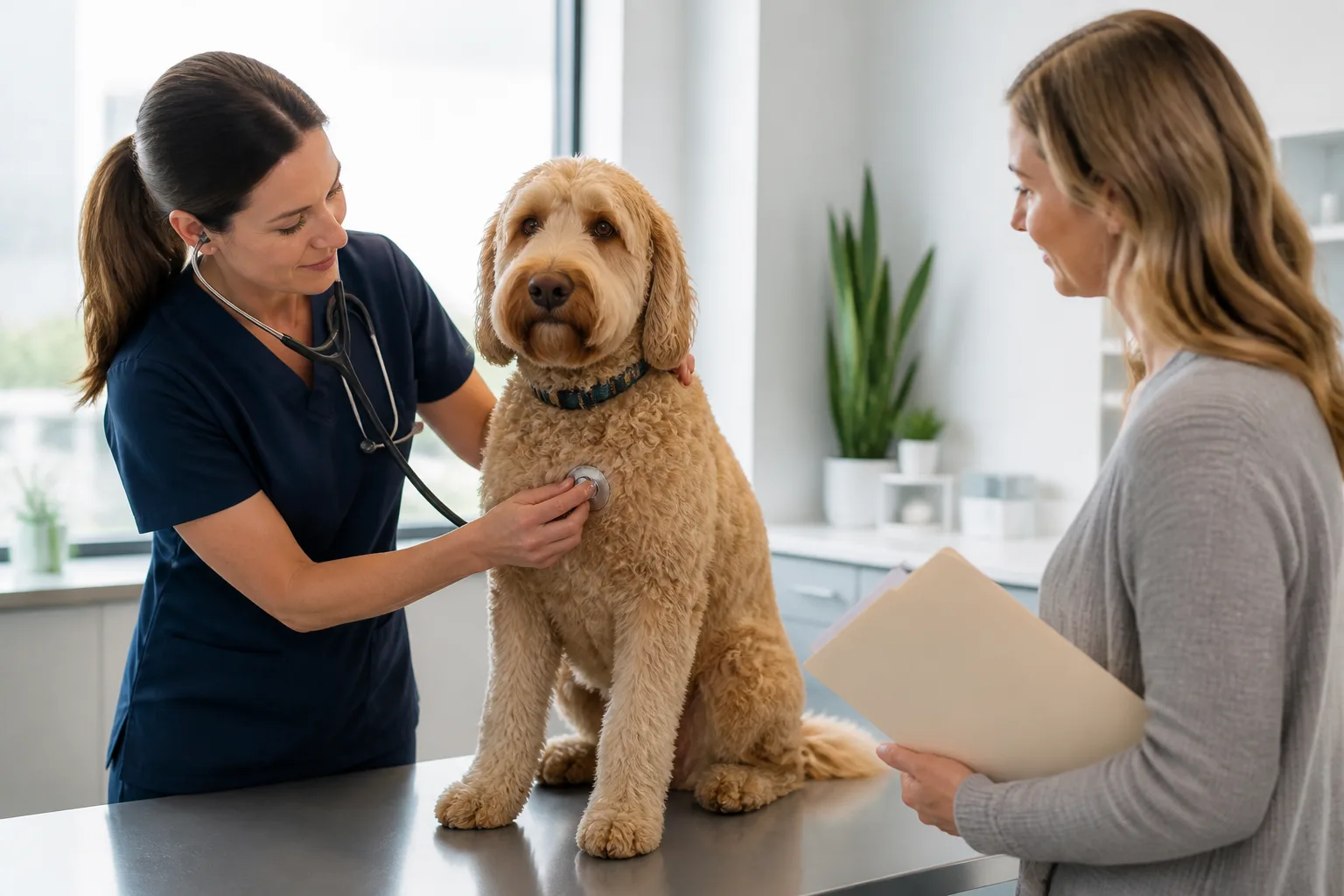
Veterinarians cannot diagnose SA by looking at the dog alone. Many skin conditions look identical to the naked eye.
To confirm Sebaceous Adenitis, a veterinarian must perform a skin biopsy. This is a minor procedure, often done with local anesthesia and sedation. A small “punch” of skin (about 6mm) is removed and sent to a dermatopathologist.
The pathologist looks for specific changes:
- Granulomatous Inflammation: In the active phase, inflammatory cells are seen attacking the sebaceous glands.
- Sebaceous Gland Absence: In the chronic or end-stage, the sebaceous glands are completely missing, replaced by scar tissue (fibrosis).
Blood tests (thyroid panels) and allergy testing will not diagnose SA, though they are often performed to rule out other causes.
Management: The Oil Bath Routine
There is currently no cure for Sebaceous Adenitis. Once the glands are destroyed, they do not grow back. However, the condition can be managed, and the dog can live a comfortable, happy life.
The goal of treatment is to externally replace the oil that the skin can no longer produce naturally. This requires a lifelong commitment from the owner.
1. The Oil Soak Protocol
The most effective management tool is the regular application of mineral oil or baby oil soaks. This is messy, but it works.
- Step 1: The Soak. The dog is drenched in baby oil (or a specific veterinary oil like Alpha Keri). The oil must remain on the skin for at least 1-2 hours. This time allows the oil to saturate the thickened skin (hyperkeratosis) and loosen the adherent scales.
- Step 2: The Emulsification. Because oil and water don’t mix, you cannot just rinse it off. You need a degreasing agent. Dawn dish soap (original blue) is commonly used to strip the excess oil.
- Step 3: The Bath. Follow the degreaser with a gentle, moisturizing, antimicrobial shampoo to clean the skin and treat any secondary infections.
- Frequency: This is often done every 2-4 weeks, depending on the severity of the case.
2. Topical Sprays and Spot Treatments
Between baths, owners often use propylene glycol sprays (diluted 50/50 with water) or other humectants to keep the skin hydrated. Products containing phytosphingosine (like excessive spot-ons) can also help restore the skin barrier.
3. Systemic Treatments (Cyclosporine)
For dogs with active inflammation (where the immune system is still attacking the glands), veterinarians may prescribe Cyclosporine (Atopica).
- Mechanism: It suppresses the immune response, potentially halting the destruction of the glands.
- Efficacy: It works best in the early stages. It can also help stimulate hair regrowth.
- Downside: It is expensive and can have gastrointestinal side effects.
4. Daily Coat Care
Between baths, you must maintain the coat to prevent matting. Because the hair is brittle, it tangles easily.
- Brushing: Use a soft slicker brush to gently remove dead scales and loose hair. Avoid harsh rakes that can scrape the sensitive skin.
- Comb Outs: Check for mats gently.

Chris Christensen Big G Slicker Brush
A premium long-pin slicker designed to reach through dense, longer coats during controlled line brushing.
Affiliate link. We may earn a commission.
For more on proper brushing techniques and tool selection, consult our grooming guide.
5. Nutritional Support
Many veterinary dermatologists recommend high doses of Omega-3 fatty acids (fish oil) and Vitamin A supplements to support skin health from the inside out 2 . Vitamin A plays a crucial role in the regulation of skin cell growth and sebaceous gland function.
Note: Vitamin A can be toxic in high doses, so this must be done under veterinary supervision.
Prevention and Genetic Health
The only way to prevent SA is to breed only dogs that are free of the disease. Responsible breeders test their Poodles and Labradoodles for SA.
The Challenge of Testing
Because the genetic marker for SA has not been perfectly isolated yet (unlike PRA or EIC), “clear” status is often determined by physical examination and skin biopsies of the breeding parents. The OFA maintains a registry for SA, but it relies on phenotypic (physical) screening.
This makes it difficult. A dog can be a “carrier” or have subclinical SA (no symptoms) and still pass it on. This is why looking at the pedigree is vital—avoiding lines with known SA producers.
However, DNA testing for other conditions is still critical. Knowing your dog’s genetic makeup helps you and your vet make informed decisions about their overall health profile.
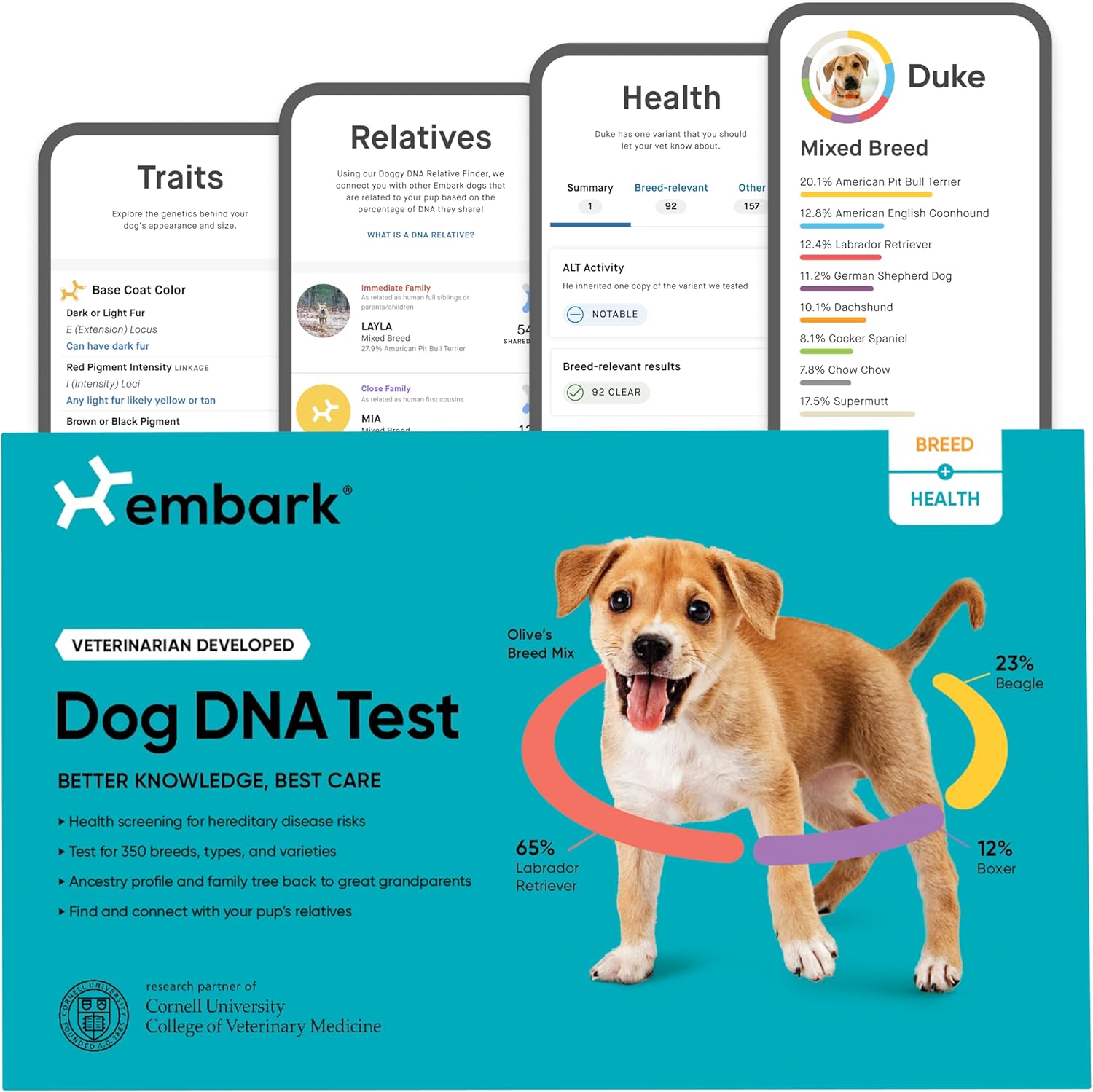
Embark Breed + Health Kit
An at-home breed and health DNA panel. Review its current variant coverage and use results alongside clinical screening and veterinary care.
Affiliate link. We may earn a commission.
Summary: Living with SA
Sebaceous Adenitis is largely a “cosmetic” disease. It does not affect the dog’s internal organs, appetite, or energy levels, provided secondary infections are managed. It does not shorten their lifespan.
Living with an SA dog means accepting that they may never have the perfect “poodle cut.” They may have thin hair, bald patches, or require a shorter clip to make bathing easier. But underneath that compromised coat is the same loving, intelligent, and goofy Labradoodle.
If you suspect your doodle has skin issues, ask your vet about SA specifically. Early intervention is the key to saving what remains of the sebaceous glands and keeping your pup comfortable. Don’t settle for “it’s just allergies”—advocate for your dog and get the answers you need.