Von Willebrand's Disease in Labradoodles: The Silent Bleeding Disorder
A critical guide to vWD in Labradoodles. Learn the signs, the Poodle genetic connection, and why every owner needs to know their dog's status before surgery.
The Genetic Shadow in Your Labradoodle
When we think of Labradoodle health, we often worry about Hip Dysplasia or Addison’s Disease. We diligently ask breeders about hip scores and eye clearances. But there is a silent genetic condition, inherited primarily from the Poodle side, that often goes undetected until it is too late: Von Willebrand’s Disease (vWD).
vWD is the most common inherited bleeding disorder in dogs 1 . It is caused by a deficiency in von Willebrand factor (vWf), a specific protein that functions as the “glue” for platelets. When a blood vessel is injured, platelets rush to the scene to plug the hole. However, without enough vWf, they cannot stick to the vessel walls or to each other effectively. The result is a clot that fails to form or is too weak to stop the bleeding.
For a Labradoodle owner, not knowing your dog’s vWD status is like playing Russian Roulette. A routine spay/neuter surgery, a deep scratch at the dog park, or even a slip of the clippers during grooming can turn into a life-threatening emergency.
Understanding the “Labradoodle Layer”
To understand why your doodle might be at risk, we have to look at their DNA. Labradoodles are a cross between Labrador Retrievers and Poodles.
- Labradors are generally robust but can carry their own set of genetic issues, including Exercise Induced Collapse.
- Standard Poodles have a high prevalence of vWD, specifically Type I. Studies have estimated that a significant percentage of Standard Poodles are carriers of the gene.
Because of this, F1b and Multigen Labradoodles (who have a higher percentage of Poodle genetics) are statistically at a higher risk of carrying the gene mutation than F1s. However, since genes are invisible, you cannot guess a dog’s status by looking at their coat or generation. Even an F1 Labradoodle can inherit the gene if the Poodle parent was a carrier.
This is why understanding F1 vs F1b Genetics is about more than just shedding—it’s about mapping the potential health minefield inherited from each parent breed. If your breeder focused solely on creating the perfect “teddy bear” look without screening for the invisible blood disorders, your puppy could be at risk.
The Three Types of vWD
Not all vWD is created equal. The severity depends on the “Type” of the disease, which correlates to the specific genetic mutation present.
Type I (Most Common in Doodles)
This is the form typically found in Poodles and, by extension, Labradoodles.
- What happens: The dog has a low concentration of vWf protein, but the protein structure is normal. They essentially run out of “glue” faster than a normal dog.
- Severity: Variable. Some dogs show no symptoms, while others bleed excessively from minor wounds. It is often milder than Types II and III but can still be fatal during surgery.
- Prevalence: High in Poodles, Doodles, Doberman Pinschers, and Golden Retrievers.
Type II
- What happens: The vWf protein is structurally abnormal and doesn’t function correctly. Even if the levels are normal, the protein is “broken.”
- Severity: Severe. Spontaneous bleeding is more common.
- Prevalence: Rare in Doodles (mostly seen in German Wirehaired Pointers).
Type III
- What happens: Complete absence of vWf protein.
- Severity: Most Severe. Fatal bleeding episodes are common in puppyhood.
- Prevalence: Rare in Doodles (mostly seen in Scotties, Shelties, and Dutch Kooikerhondjes).
Signs and Symptoms: What to Watch For
The terrifying reality of vWD is that many dogs are asymptomatic until they are injured or undergo surgery. This is known as “clinical silence.” Your dog runs, plays, and eats normally. You would never know their blood lacks a critical protein—until they get hurt.
However, there are subtle signs that observant owners might notice.
If your Labradoodle experiences a nosebleed (epistaxis) with no known trauma, this is a red flag for a clotting disorder. Seek veterinary care immediately.
Common Symptoms Include:
- Prolonged bleeding after a nail trim (quicking). If the bleeding doesn’t stop with styptic powder after 5 minutes, be suspicious.
- Gum bleeding when teething or chewing on hard toys. You might find blood on their chews or in their water bowl.
- Excessive bruising from minor bumps. If you shave your dog down for summer and notice unexplained bruises on the skin, this indicates bleeding under the surface.
- Prolonged heat cycles in intact females (bloody discharge lasting longer than normal).
- Post-operative bleeding (e.g., oozing from the incision site days after a spay/neuter). This is often how cases are diagnosed—when the “routine” recovery turns into a hemorrhage.
- Blood in urine or stool (hematuria or melena).
The Grooming Risk Factor
Labradoodles require extensive grooming, which inherently involves sharp tools. If you groom your dog at home, you need to be hyper-aware of vWD.
We often recommend using a hemostat to pluck ear hair to prevent infections. However, plucking pulls hair from the follicle, which creates a tiny wound. In a vWD-affected dog, an ear plucking session can lead to continuous oozing that fills the ear canal with blood. This warm, moist, bloody environment is a perfect breeding ground for bacteria, leading to chronic ear infections that are difficult to treat because the underlying issue is the bleeding, not just the wax.
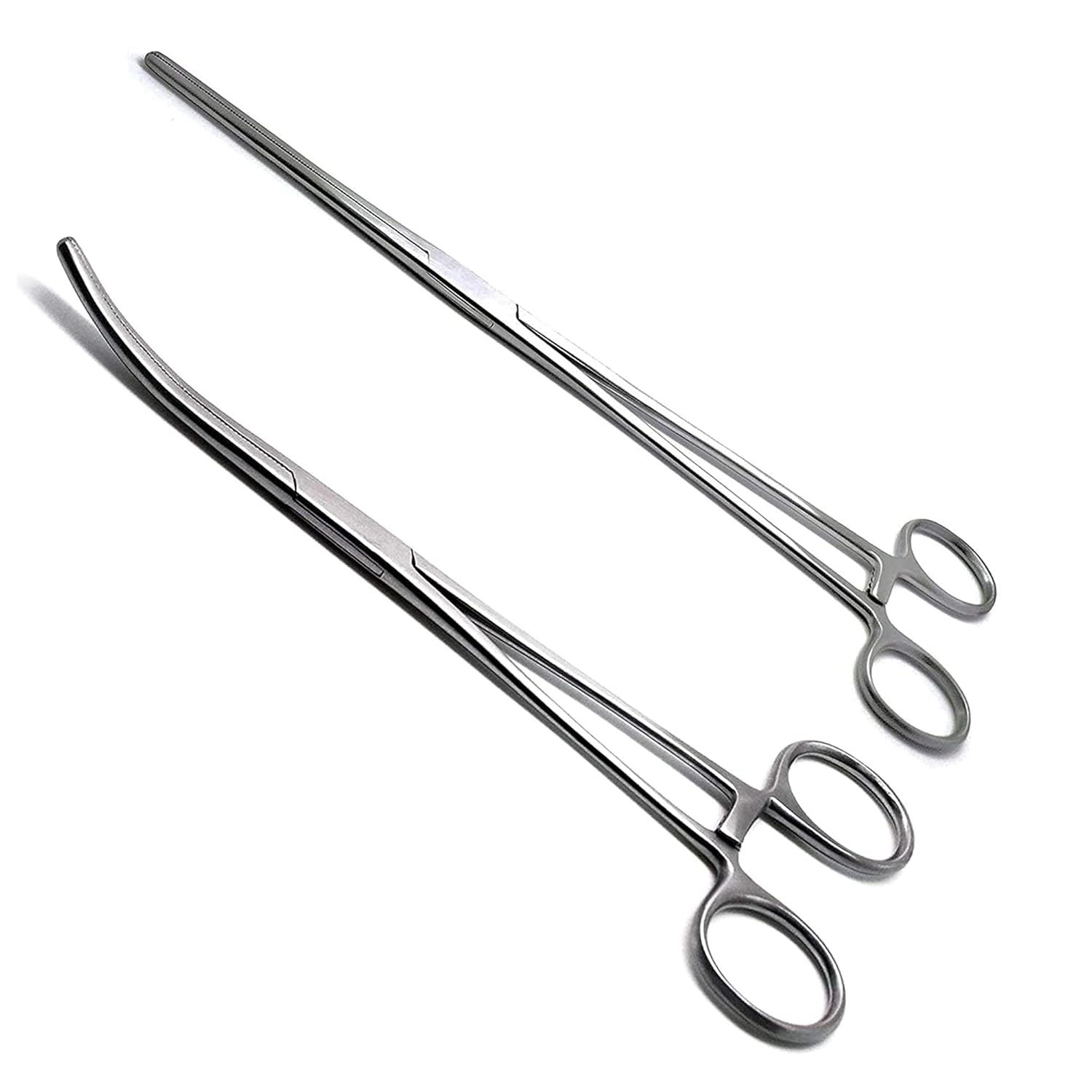
Professional Curved Hemostat
Essential tool for gentle ear hair removal. The curved tip prevents accidental pinching.
Affiliate link. We may earn a commission.
Safety Tip: If you have not tested your dog for vWD, do not pluck their ears aggressively. Trim the hair with blunt-nosed scissors instead. If you accidentally nick your dog or quick a nail and the bleeding does not stop after 5-10 minutes with direct pressure and styptic powder, go to the vet. Do not wait “to see if it stops.”
Diagnosis: The DNA Advantage
In the past, diagnosis required a specialized blood test called the Buccal Mucosal Bleeding Time (BMBT) or a specific vWf antigen assay. The BMBT involves making a small cut in the gum and timing how long it takes to stop bleeding. While effective, it is invasive and stressful.
Today, we have a powerful preventative tool: Genetic Testing. You don’t have to wait for a bleeding episode to know if your dog is at risk.
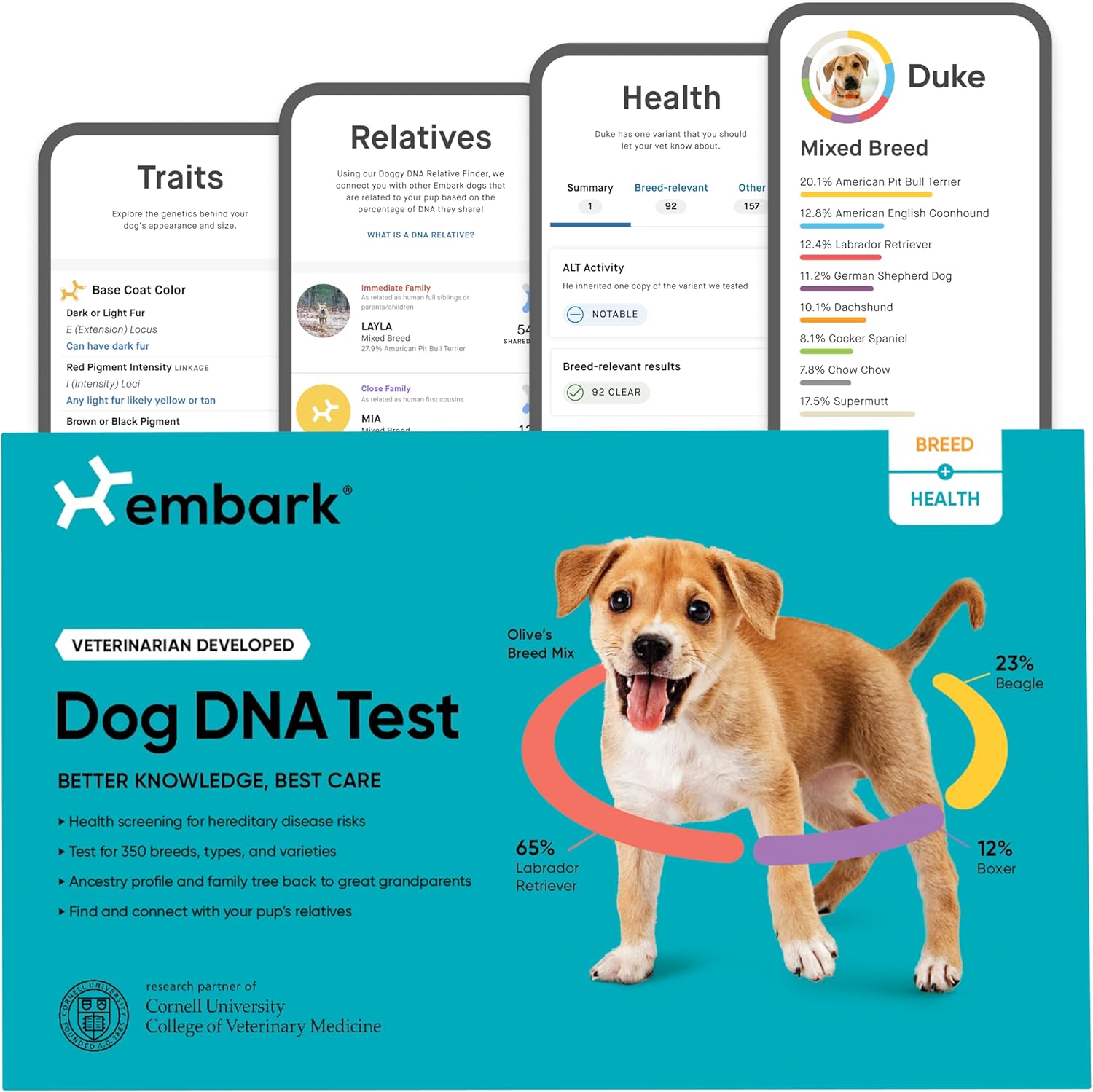
Embark Breed + Health Kit
An at-home breed and health DNA panel. Review its current variant coverage and use results alongside clinical screening and veterinary care.
Affiliate link. We may earn a commission.
The Embark DNA test screens for the specific genetic mutation associated with vWD Type I. It will categorize your dog as:
- Clear: Two normal copies of the gene. No risk of genetic vWD.
- Carrier: One normal copy, one mutated copy. Carriers usually have reduced levels of vWf (around 30-50% of normal) but rarely show spontaneous bleeding. However, they can pass the gene to offspring.
- At Risk (Affected): Two mutated copies. High risk of abnormal bleeding. These dogs typically have extremely low levels of vWf.
Critical Note for Carriers: While carriers are generally safe from spontaneous bleeding, some vets argue they may still bleed more than “clear” dogs during major orthopedic surgeries. It is valuable information to have on file.
If your dog tests as “At Risk,” you must inform your veterinarian before any surgery. They can take precautions, such as having plasma on hand or administering Desmopressin (DDAVP) to boost clotting factor levels before the procedure.
Treatment and Management
There is no cure for vWD, but it can be managed. If your dog is diagnosed, they can still live a long, happy life with a few modifications.
If your dog is vWD Positive:
- Surgery Protocol: Always pre-screen blood clotting times before any anesthesia. Your vet may use electrocautery (burning the vessel shut) instead of a scalpel for incisions.
- Medication Awareness: Avoid drugs that inhibit platelet function. This includes Aspirin, NSAIDs (like Rimadyl or Metacam), and certain supplements. Always remind your vet of your dog’s status before accepting a prescription for pain relief.
- Emergency Kit: Keep a robust first-aid kit at home containing styptic powder, pressure bandages, and superglue (cyanoacrylate) for minor skin cuts (only use on skin, not deep wounds).
- Transfusions: In severe bleeding crises, the dog may need a transfusion of Cryoprecipitate (a blood product rich in vWf) or fresh frozen plasma. Not all vet clinics stock this, so know where your nearest 24/7 emergency hospital is.
The Breeder’s Responsibility
Ethical breeding is the only way to eradicate vWD. Because it is a recessive trait (in most cases), a breeder can accidentally produce affected puppies if they breed two carriers together.
The Math of Inheritance:
- Clear + Clear = 100% Clear Puppies. (The Gold Standard)
- Clear + Carrier = 50% Clear, 50% Carrier. (Acceptable, provided the carriers are identified and not bred to other carriers).
- Carrier + Carrier = 25% Clear, 50% Carrier, 25% Affected. (This is the “danger zone” of irresponsible breeding).
- Affected + Clear = 100% Carriers.
This is why we stress that “vet checked” is not enough. A standard vet checkup cannot see DNA. You must ask for genetic health testing results. If a breeder rarely tests or claims “hybrid vigor” solves everything, walk away. They are likely ignoring other complex genetic risks like Merle genetics or vWD.
Frequently Asked Questions
Q: Is vWD painful for my dog? A: The disease itself is not painful. However, the consequences—like excessive bruising, hematomas (blood swellings), or bleeding into joints—can be very painful. Managing the condition prevents this pain.
Q: Can I breed my Labradoodle if she is a carrier? A: Technically, yes, but only to a dog that is tested Clear. This prevents any puppies from being Affected (At Risk). However, most reputable breeders strive to eliminate the gene entirely over generations by prioritizing Clear dogs.
Q: Does pet insurance cover vWD? A: It depends. If you diagnose it (via DNA test) before signs appear, some insurers consider it a pre-existing condition if the breed is prone to it, while others will cover treatment if no clinical signs were present at enrollment. If your dog is diagnosed after a bleeding episode, it is definitely a pre-existing condition for any new policy. This is a strong argument for getting insurance regarding your puppy immediately.
Q: Can vWD be cured? A: No. It is a permanent genetic state. But unlike progressive diseases like PRA (blindness), it doesn’t get “worse” over time. It is a managed risk, not a death sentence.
Summary: Be Proactive, Not Reactive
Von Willebrand’s Disease is a manageable condition, provided you know about it. The tragedy occurs when an owner finds out their dog has it during a spay surgery on the operating table.
Your Action Plan:
- Test: If you don’t have breeder records, order a DNA test.
- Inform: If positive/carrier, put it in your dog’s medical file in big red letters.
- Prepare: Keep styptic powder on hand and be gentle with grooming.
Your Labradoodle relies on you to be the expert on their health. By understanding the “Poodle complications” like vWD, you ensure that their tail keeps wagging—safely—for years to come.
The Pros
- • Early detection saves lives
- • Testing is non-invasive (swab)
- • Allows for safe surgery planning
- • Carriers can live normal lives
The Cons
- • Genetic tests cost money
- • Knowing can be anxiety-inducing
- • Requires lifestyle adjustments
- • Emergency treatment is expensive